Cyprus Birding Tours

Offering guided bird watching tours around Cyprus


1 Comment

Cyprus Birding Tours Trip report: Day’s guiding – Paphos and Phassouri 30th September 2013

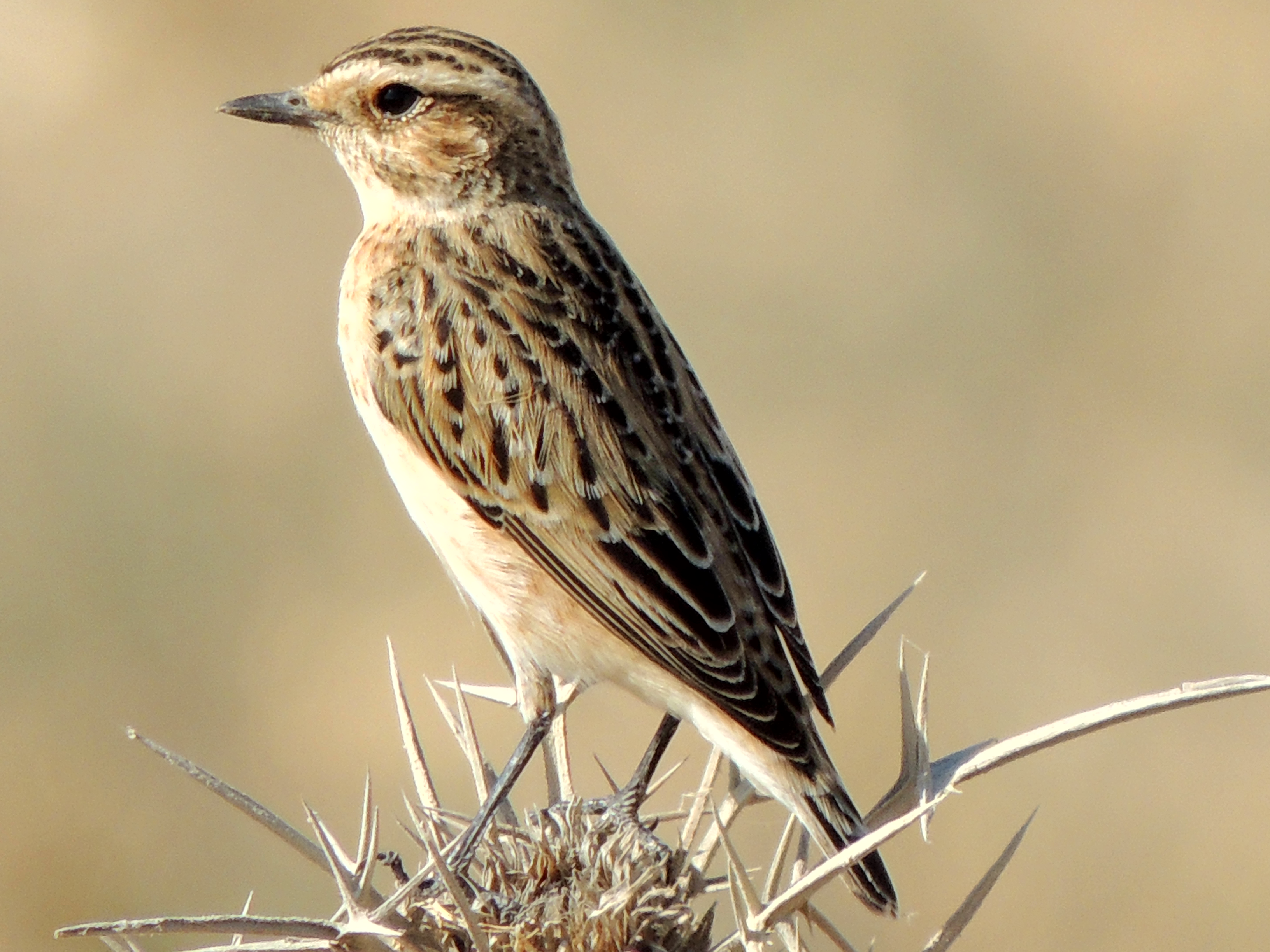
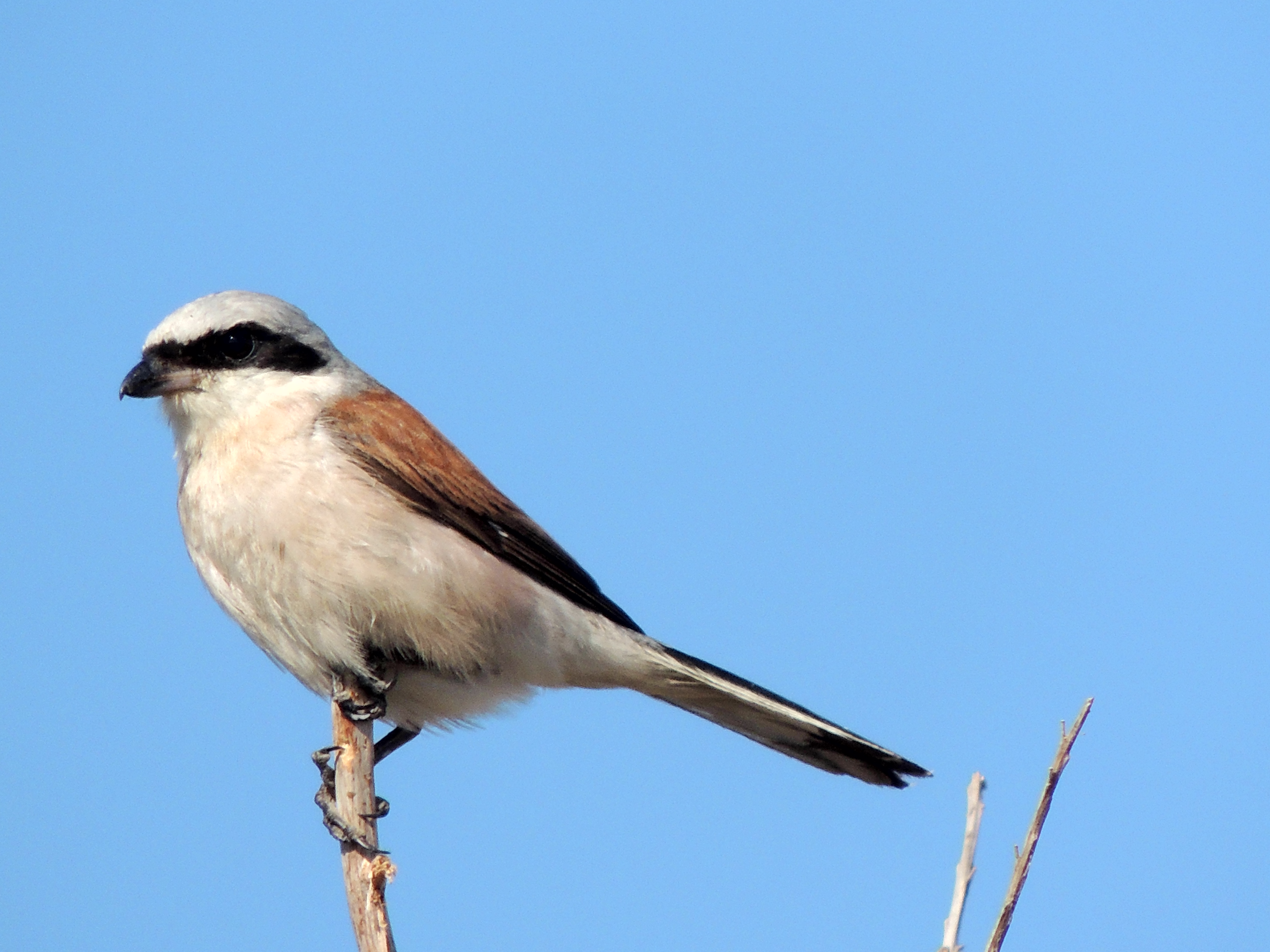
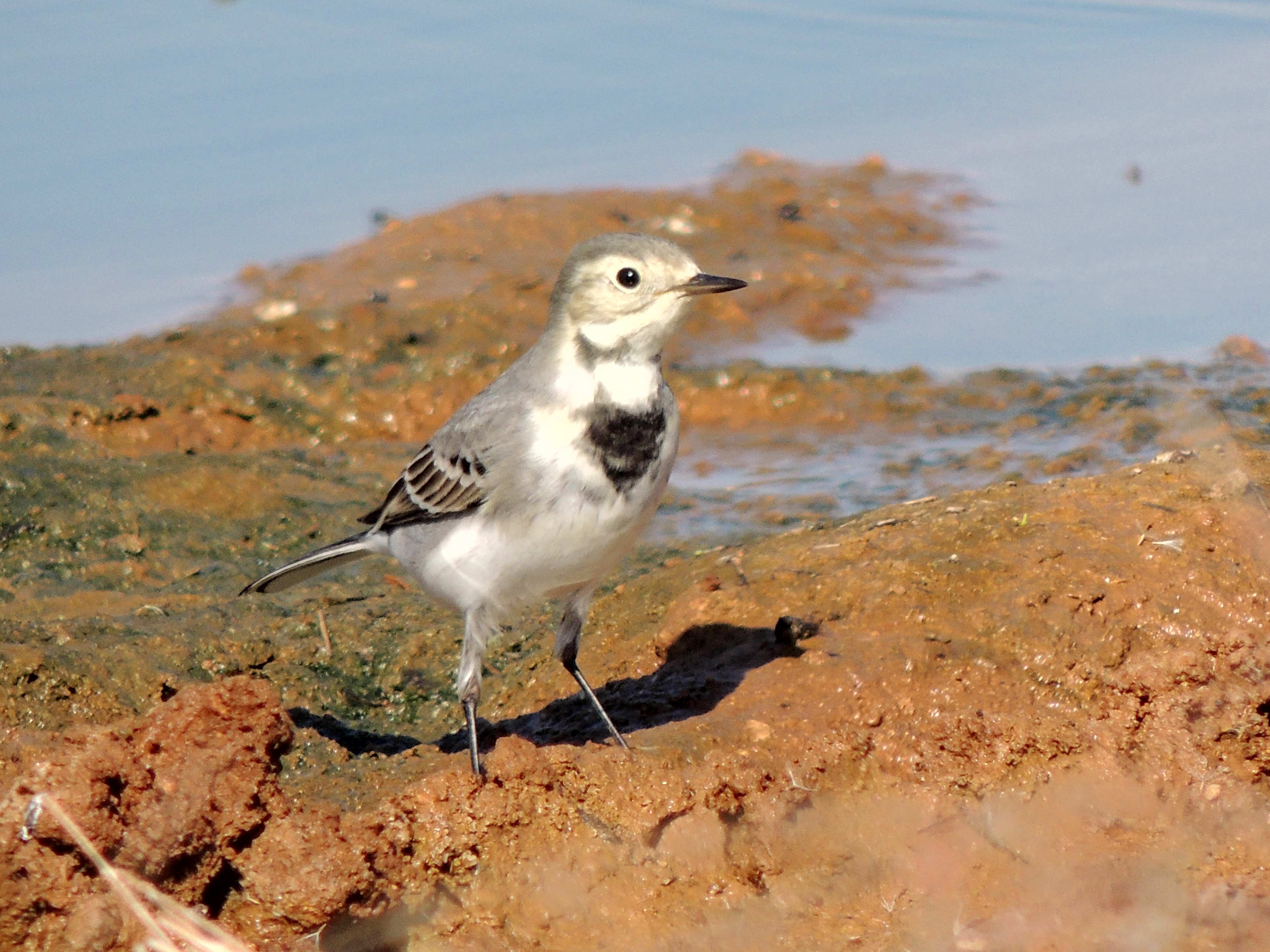
Starting our day out with a walk around the Paphos Headland,  John and I quickly located our target species there – four Greater Sand Plover. An added bonus were three Ruddy Turnstone flying along the coast line. We also found two Northern Wheatear inside the fenced area of the Archaeological site. As usual there were many Crested Lark and Hooded Crow. Moving onto Paphos Sewage Works we found the Spur-winged Lapwing that now breed there. Many Willow Warbler were in the roadside vegetation together with several calling Sardinian and a Cetti’s Warbler. Yellow Wagtail were hidden in the alfalfa fields occasionally flying over and on to another field. Five White Wagtail were in a ploughed area and Tree Pipit, Red-backed Shrike and Whinchat were nearby. A walk down to the sea produced a European Shag on a nearby rock and suddenly four Honey Buzzard appeared and flew southwards. Two Eurasian Hoopoe were in the olive groves and thirteen Grey Heron moved eastwards along the coast. As we were in the car a Green Sandpiper flew over.

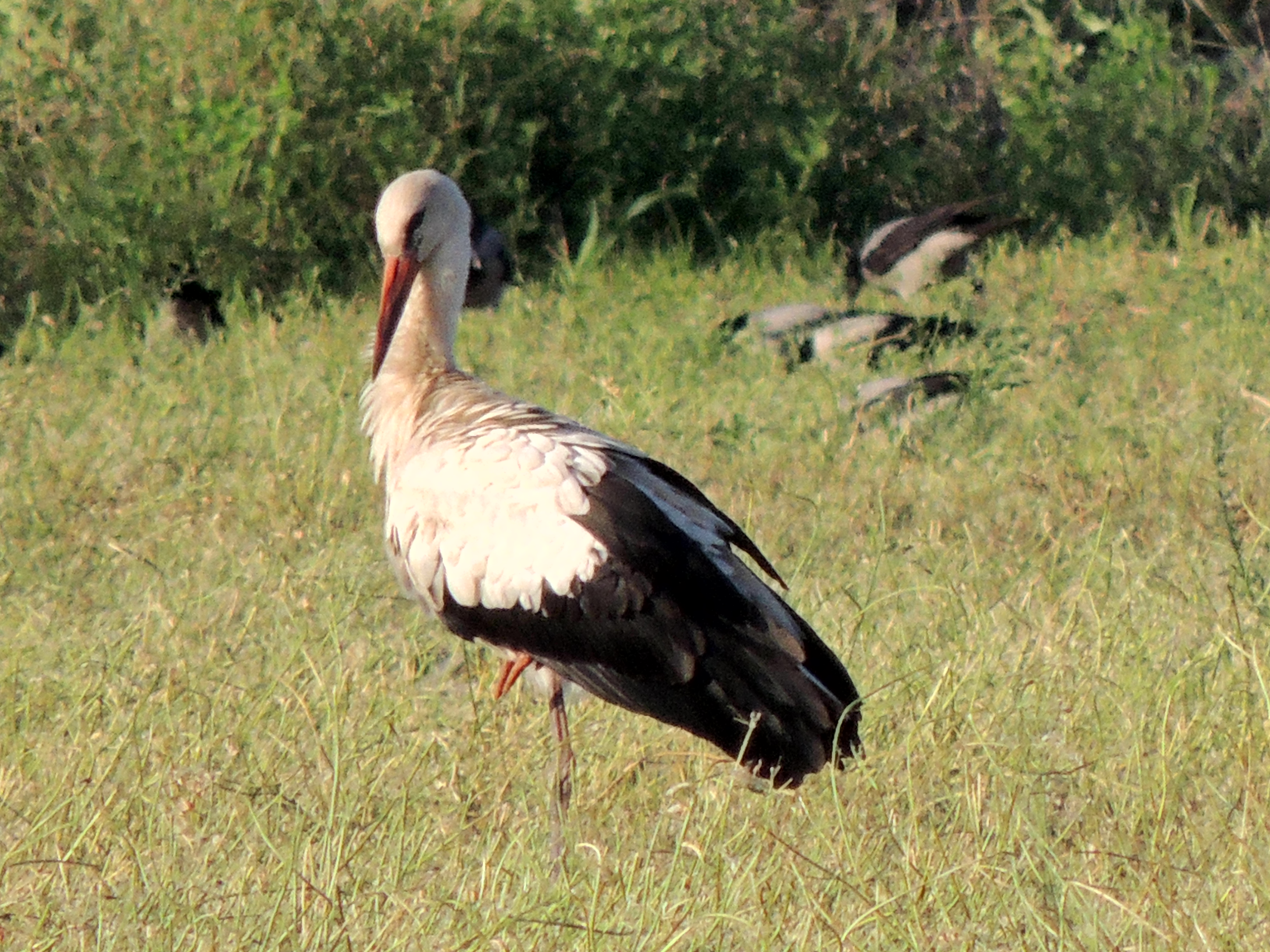
Mandria seemed quiet although many European Bee-eater and Barn Swallow were moving south. We checked all the fields and there were Yellow and White Wagtail there as well as the usual Crested Lark and then twelve Greater Short-toed Lark and at least 18 Whinchat – each on sitting on its own sprinkler! Three Red-throated Pipit flew down into the potato fields but despite searching John didn’t get a view of them. An Isabelline Wheatear was easier to see as were the Stone Curlew siting in the shade of the olive trees. As we drove away from the area a strange noise prompted me to stop the car and we got out to check what it was. Although we didn’t discover the perpetrator two White Stork flew into the fields ahead of us. Presumably the same pair that had been at Paphos Sewage Works over the last few days.

At Asprokremmos Dam we found more Bee-eaters and a rather tired looking Turtle Dove. A Spotted Flycatcher was in the car park woods and a search of the area produced several Sardinian Warbler and one possible Cyprus Warbler that refused to come out of the undergrowth for full identification. With little or no raptor migration in the area we decided to head for a quick visit to Akrotiri for the rest of the day – specifically Phassouri Reed Beds.

And that seems to have been the correct decision. As soon as we arrived we were greeted by yet more migrating Bee-eaters and a more healthy looking Turtle Dove and over the next hour or so we watched migrating raptors go over – at least 20 Honey Buzzard, a couple of ‘steppe’ Buzzard (Buteo buteo vulpinus), more than twenty Red-footed Falcon, three Eleonora’s Falcon and eight Marsh Harrier. A female Blackcap was also a new bird for the day and in the area grazed by the cattle we found Cattle and Little Egret, two Glossy Ibis, several Yellow Wagtail, a couple of Wood Sandpiper and two Common Snipe. A rather scruffy Coot was also present. Barn Swallow and Sand Martin were flying over all the time.

To try and get better views of Eleonora’s Falcon we went on to Kensington Cliffs where three, maybe four birds, were flying. Checking the area around Kourio Stadium for Cyprus Warbler we saw at least two birds flitting from bush to bush and calling but neither sat still for very long.

Raptor migration is definitely slowing but we had quality rather than quantity in the birds seen. Thanks to John for a good day out in interesting company.

Total species – 52

European Shag, Cattle Egret, Little Egret, Grey Heron, White Stork, Glossy Ibis, European Honey Buzzard, Western Marsh Harrier, Steppe Buzzard, Common Kestrel, Red-footed Falcon, Eleonora’s Falcon, Eurasian Coot, Eurasian Stone Curlew, Greater Sand Plover, Spur-winged Lapwing, Wood Sandpiper, Green Sandpiper, Common Snipe, Ruddy Turnstone, Yellow-legged Gull, Common Woodpigeon, Eurasian Collared Dove, Eurasian Turtle Dove, European Bee-eater, Eurasian Hoopoe, Greater Short-toed Lark, Crested Lark, Sand Martin, Barn Swallow, Tree Pipit, Red-throated Pipit, Yellow Wagtail, White Wagtail, Whinchat, Isabelline Wheatear, Northern Wheatear, Cetti’s Warbler, Zitting Cisticola, Sardinian Warbler, Cyprus Warbler, Eurasian Blackcap, Willow Warbler, Spotted Flycatcher, Great Tit, Red-backed Shrike, Eurasian Magpie, Western Jackdaw, Hooded Crow, House Sparrow, European Greenfinch, European Goldfinch
Leave a comment

Cape Greco this morning, Larnaca late afternoon 29th September

At the Cava View Point for a few hours this morning counting raptors. Despite the fact that there were a lot of people around there were more passerines today than on last visit. It was especially good to see and hear a male Blue Rock Thrush. Not many raptors around – Black Kite 2 maybe 3, Marsh Harrier 2, Red-footed Falcon 5, Hobby 2, Honey Buzzard 2 and the ever present local Common Kestrel population of a least six birds. Other birds seen:

Cyprus Wheatear 2, Northern Wheatear 2, Black-eared Wheatear 1m, Lesser Whitethroat 3, Blue Rock Thrush 1 calling, White Wagtail 2, European Bee-eater 220+ many only heard as passing too high to be seen, Grey Heron 1, Little Egret 5

Day’s highlight though was finally managing to catch up with a Red-breasted Flycatcher! One and maybe two had been spotted earlier by a visiting birder in the gardens near the track to Larnaca Sewage Works. I was pleased to get a brief view of one as if flew onto a fence sat for a few seconds then flew back into the thick undergrowth. Subsequent searching didn’t produce anything more than movement and brief glimpses of a small bird.


Leave a comment

Quick birdwatch around Larnaca this morning 28th September 2013

A brief bird watch around Larnaca this morning. At the Sewage Works there was a Golden Plover, about twelve Ruff and twenty Little Stint, a juvenile Collared Pratincole, twelve adult Greater Flamingo and a male Red-backed Shrike. Fifteen Greater Flamingo flew along the coast heading towards Cape Kiti.

On Spiro’s Beach there were thirteen Common Ringed Plover, two Little Stint and a Temminck’s Stint. A juvenile Pallid Harrier flew low over my car and several Yellow Wagtail and a White Wagtail were using a muddy puddle for a bath.


3 Comments

Cyprus Birding Tours Trip report: Day’s guiding – Akrotiri 27th September 2013

Harry and Jacky are regular visitors to Cyprus and this was the second time we had been out. As they were keen to see as many raptors as possible we headed to Akrotiri hoping to catch up with some of the species seen there over the last few days. Driving into the area Harry spotted a roosting Common Buzzard.  Arriving early we took advantage of the absence of too much heat haze to watch the Greater Flamingo on the Salt Lake from the Sylvana’s restaurant vantage point.  There were well over 5000 birds there scattered wherever there was still some water. Behind them we could see a group of over 100 Grey Heron and on the salt flats two Marsh Harrier were roosting. Moving onto Bishop’s Pool we watched a couple of Grey Wagtail flying around the area and despite adding Little Grebe, Mallard, Coot, Moorhen and Sand Martin to the day’s list there was little to detain us there. On leaving we did however, find several Chukar and near the exit a Red-footed Falcon flew over.

Along Lady’s Mile, Harry was able to photograph several Little Stint, Kentish Plover, Dunlin and a lone Curlew Sandpiper. A Common Kingfisher was heard in the reeds at Zakaki and several Reed Warbler were flitting in the reeds together with several Yellow Wagtail. Seven Little Egret were roosting high in near-by Eucalyptus and a Grey Heron flew over.

We then moved on the Phassouri Reed Beds were we spent several hours. Here we had good views of migrating Bee-eaters – hundreds were in the area as well as at least 12 Red-footed Falcon, many Marsh Harrier, a Eurasian Sparrowhawk, a couple of Lesser Kestrel, a lone Black Kite and best of all a Lesser Spotted Eagle which was being harassed as it flew behind the reeds by a migrating Honey Buzzard – the size difference between the species more than evident. The numbers seemed much reduced from previous days and we had no more than ten Honey Buzzard visible from our view point. A juvenile Montagu’s Harrier flying around the area flew low over us and we were able to pick out the ID clinchers. We also saw Cattle, Little and Great Egret, two Glossy Ibis, a Ruff, Wood and Green Sandpiper and two Common Snipe. There were several Red-backed Shrike and Whinchat as well as Yellow Wagtail and a single Red-throated Pipit. A few Turtle Dove flew over and a Hoopoe and a Golden Oriole flew around the nearby orchard.  At least two Common Kingfisher were seen.

We then decided to go to Kensington Cliffs and here we were treated to three Lesser Kestrels and at least five Eleonora’s Falcon and their aerial acrobatics. At one stage one of the kestrels and Eleonora’s even seemed to lock talons. After that the species kept their distance from each other. Heading back to Paphos to drop Harry and Jacky back there we called in at Paphos Sewage Works. A good idea as we added several more species to our day’s birding. An adult Spur-winged Lapwing with three young birds was beside one of the tanks. By the road side at least twenty Willow Warbler were flitting in the bushes and many different Yellow Wagtail were in the alfalfa fields. A real treat were two White Stork in another newly mown field. A Lesser Grey Shrike watched us as we tried to relocate a Eurasian Sparrowhawk that flew into an olive grove. As we drove off a Spotted Flycatcher was seen on a watering unit.

Thanks to Harry and Jacky for their company and help in spotting some good birds.

Total species – 64

Little Grebe, Cattle Egret, Little Egret, Great Egret, White Stork, Glossy Ibis, Greater Flamingo, Mallard, European Honey Buzzard, Black Kite, Western Marsh Harrier, Montagu’s Harrier, Eurasian Sparrowhawk, Common Buzzard, Lesser Spotted Eagle, Lesser Kestrel, Common Kestrel, Red-footed Falcon, Eleonora’s Falcon, Chukar, Common Moorhen, Eurasian Coot, Kentish Plover, Spur-winged Lapwing, Little Stint, Curlew Sandpiper, Dunlin, Ruff, Common Snipe, Green Sandpiper, Wood Sandpiper, Yellow-legged Gull, Rock Dove, Common Woodpigeon, Eurasian Collared Dove, Eurasian Turtle Dove, Common Kingfisher, European Bee-eater, Eurasian Hoopoe, Crested Lark, Sand Martin, Barn Swallow, Red-throated Pipit, Yellow Wagtail species including Blue-headed, Grey Wagtail, White Wagtail, Whinchat, Eurasian Reed Warbler, Sardinian Warbler, Willow Warbler, Spotted Flycatcher, Great Tit, Eurasian Golden Oriole, Red-backed Shrike, Lesser Grey Shrike, Eurasian Magpie, Western Jackdaw, Hooded Crow, House Sparrow, Common Chaffinch, European Greenfinch, European Goldfinch


Leave a comment

Raptor watch today at Cava Viewpoint, Cape Greco

Doing the raptor watch at Cape Greco can be a hit or miss affair.  It can get a heavy passage some times – in fact I remember one October 1st Bank Holiday a few years back when I was at Protaras with Honey Buzzards passing over all day. I think it may be safe to say that larger numbers are more regular through Akrotiri and over the Paphos Plain but bearing that in mind, this morning at the Cape I was kept busy all the time with a steady flow of raptors over the area approaching from both the east off the sea and overland from the north. I am sure that if I had been able to stay into the afternoon that I would have seen more birds.

The numbers of Honey Buzzard didn’t approach the 500 plus seen at Mandria late on Monday morning or the couple of hundred passing through Akrotiri most days at the moment; but I enjoyed myself as the flow of birds meant I had a chance to watch them as well as record their numbers and direction of travel. In total I had nearly fifty Honey Buzzard – coming through in ones and twos and some even passing over the Cava View Point and heading out to sea rather than kettling up to the east of Grecian Park Hotel as is usual. There were also several Marsh Harrier, a couple of Eurasian Sparrowhawk, six Red-footed Falcon, a juvenile Pallid and Montagu’s Harrier, a juvenile Peregrine and best of all a Saker Falcon.

There were not many passerines around and the Cyprus Wheatear seem to have left. Around sixty each of Bee-eater and Barn Swallow flew over and out to sea while I was there and a Spotted Flycatcher flitted from bush to ground and back all morning.


3 Comments

Cyprus Birding Tours Trip report: Day’s Guiding – Paphos and Akrotiri, 23rd September 2013

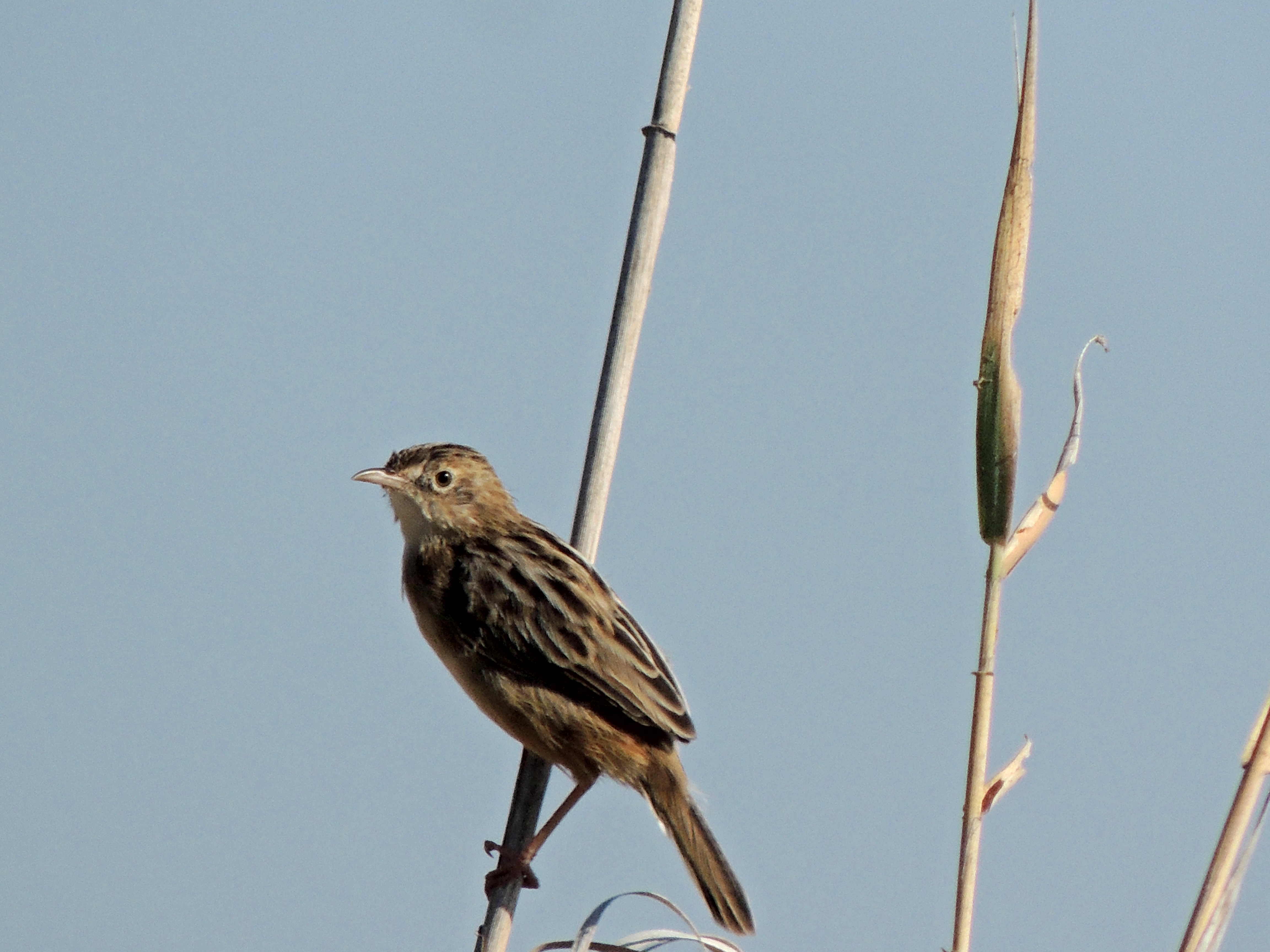
Damian and I started at Paphos Sewage Works where the first bird we saw was a European Roller which flew into some conifers. Nearby  a male Red-backed Shrike and a juvenile Lesser Grey Shrike were both perched. A good start and as we continued past the plant buildings we found three Spur-winged Lapwing, a male and female Black Francolin and a Hoopoe feeding on a track. We saw the first of the many Whinchat and Willow Warbler that we were to find wherever we went.  There were also five Tree Pipit, many Zitting Cisticola, a few hundred Yellow Wagtail and a couple of Isabelline and Northern Wheatear. Six Honey Buzzard suddenly arose from the trees at the back of the fields where they must have been roosting and flew over us and straight out to sea. We had good views of a male Sardinian Warbler but the most unexpected bird was seen as we left – a juvenile Common Cuckoo.

Mandria was relatively quiet when we were there. An Eleonora’s Falcon flew out to sea and we also saw a female Marsh Harrier and a juvenile Montagu’s Harrier. We got good views of several Stone Curlew roosting in the olive grove and in the ploughed fields were several Isabelline and Northern Wheatear as well as seven Greater Short-toed Lark and two Tawny Pipit. Many Barn Swallow were flying over and out to sea and again there were plenty of Yellow Wagtail. Oh and of course Whinchat and Willow Warbler!

Approaching Asprokremmos Dam there were many European Bee-eater flying around the canal area. We spent a while watching them and also two Honey Buzzards as they moved south and a Black Kite which was floating around the area. In the car park we picked out three Spotted Flycatcher and a Marsh Harrier in the distance which put some Mallards to flight on the water. Two Golden Oriole were flying around the woods but were not co-operative when we tried to watch them through binoculars. Bee-eaters continued to pass over all the time we were there.

We then decided to head for Phassouri Reed Beds where we hoped to see more raptors and maybe some herons. We found hundreds more Bee-eaters and ate our lunch as they hunted for insects all around us. A couple of Honey Buzzard drifted over as did several Marsh Harrier. In the distance we could see many hirundines mainly Barn Swallow but we also picked out a  single Common Swift and then two House and several Sand Martin. As we drove along the road we found several Cattle Egret and about six Little Egret. A lone Glossy Ibis was spooked by one of the Marsh Harrier quartering the area. They also disturbed the local Hooded Crow population and the migrating Yellow Wagtail. A male Marsh Harrier stood out and then a juvenile Pallid Harrier floated over.  We saw a couple of Common Kestrel and then one of our targets – three Red-footed Falcon were flying over heading south while a lone male circled up gaining height. Damian missed out on the Hoopoe I spotted on a roadside track but caught up with the two Turtle Dove racing across the reeds.

Our final stop was a Kensington Cliffs. We were greeted by a falcon flying westwards and into the sun. We identified that as a Peregrine Falcon and searched further for the Eleonora’s Falcons we had come to find. Soon three of them rose up over the cliff edge towards us and then we spotted another four in the distance. Two great species to end our day and we headed back to Paphos where Damian was staying.

Total species – 51

Cattle Egret, Little Egret, Glossy Ibis, Mallard, European Honey Buzzard, Black Kite, Western Marsh Harrier, Pallid Harrier, Montagu’s Harrier, Common Kestrel, Red-footed Falcon, Eleonora’s Falcon, Peregrine Falcon, Black Francolin, Eurasian Stone Curlew, Spur-winged Lapwing, Yellow-legged Gull, Common Woodpigeon, Collared Dove, Eurasian Turtle Dove, Common Cuckoo, Common Swift, Common Kingfisher, European Bee-eater, European Roller, Eurasian Hoopoe, Greater Short-toed Lark, Crested Lark, Sand Martin, Barn Swallow, Common House Martin, Tawny Pipit, Tree Pipit, Yellow Wagtail, Whinchat, Isabelline Wheatear, Northern Wheatear, Cetti’s Warbler, Zitting Cisticola, Sardinian Warbler, Willow Warbler, Spotted Flycatcher, Great Tit, Eurasian Golden Oriole, Red-backed Shrike, Lesser Grey Shrike, Western Jackdaw, Hooded Crow, House Sparrow, European Greenfinch, European Goldfinch