Found two male Desert Wheatears in the Paphos area yesterday. One was at Mandria and had been present for a few days. The other was at Paphos Headland.
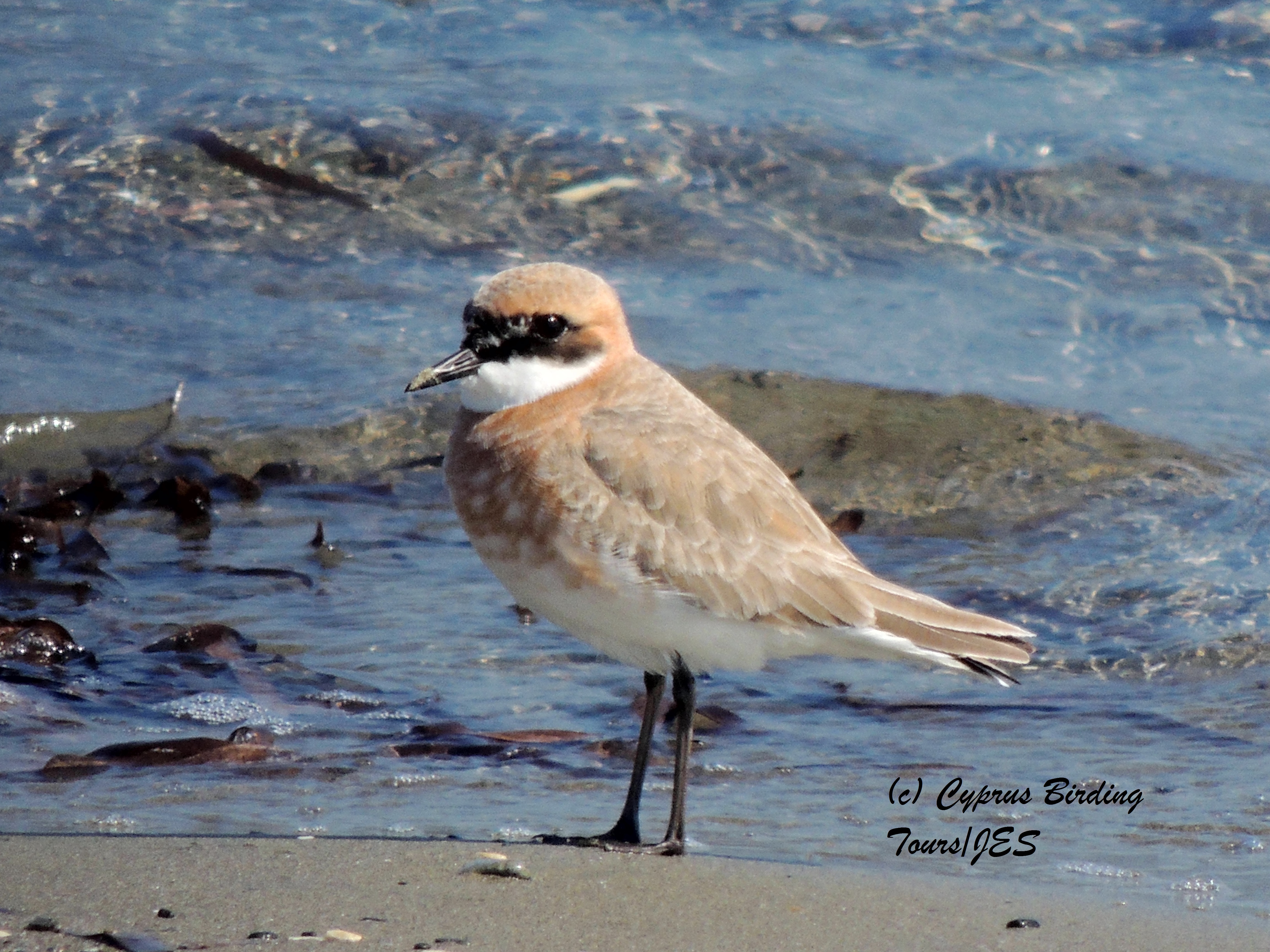
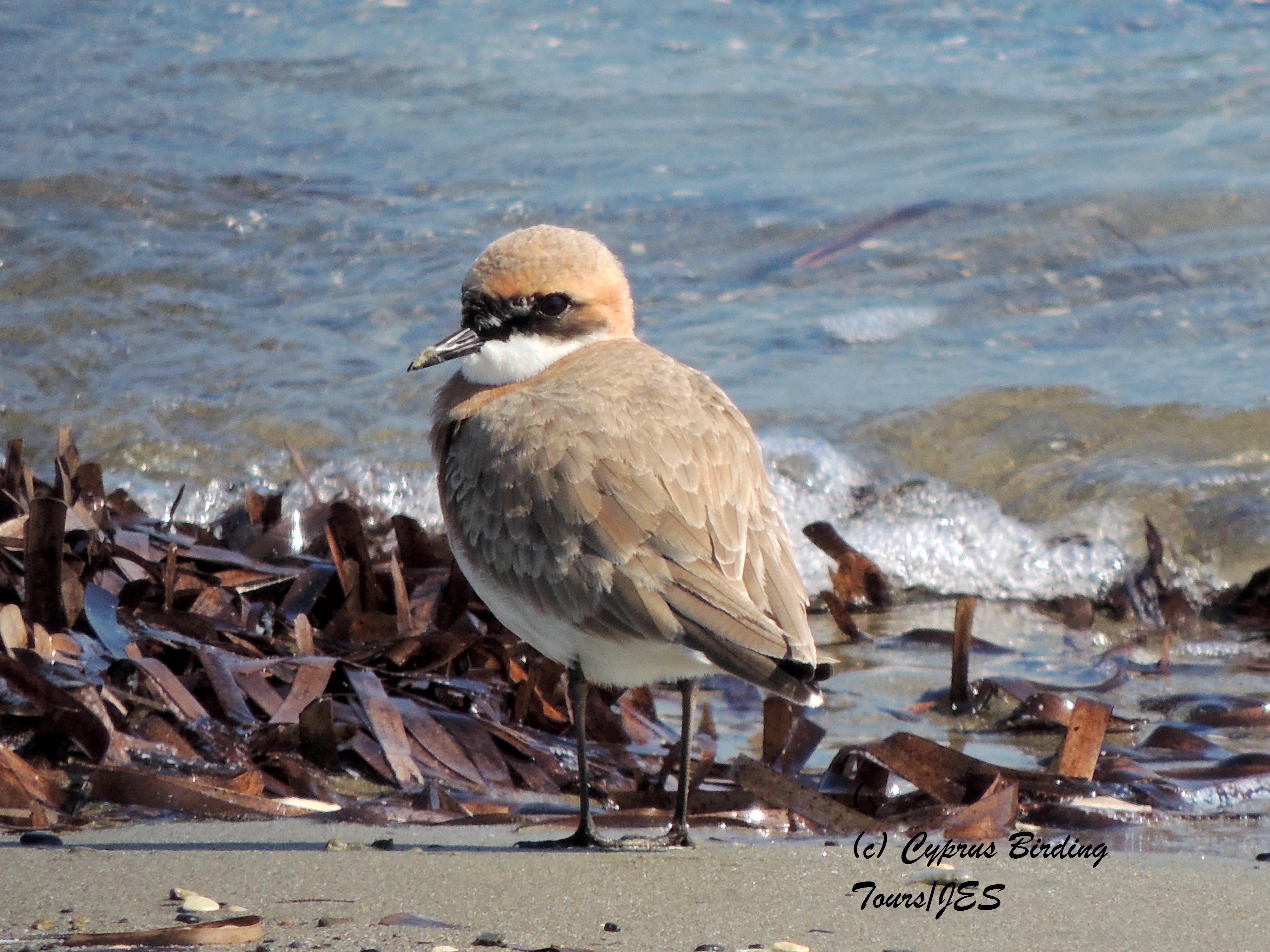
Was really pleased to find a male Desert Wheatear at Petounta yesterday afternoon. Others had been seen at Paphos Headland and Akrotiri Gravel Pits over the last few days. There was also a single Greater Short-toed Lark there as well as two Isabelline Wheatear, four Little Ringed Plover, two Water Pipit, a Hoopoe and a male Black-headed Wagtail. Earlier, near the Desalination Plant at Larnaca there were four Hoopoe feeding together and on Spiros Pool there were two Greater Sand Plover and more than twenty Ruff. Three Sandwich Tern were fishing offshore and a Calandra Lark was in display flight.
Today I was at Cape Greco for my first raptor survey of the spring. No migrating raptors to count but the local Common Kestrel pair were very active and the House Sparrows around the shelter on the top of the view point were happily mating and ignoring me. If it hadn’t been for some migrating Black-headed Gulls and Great Cormorant I could have thought it was a waste of a morning.
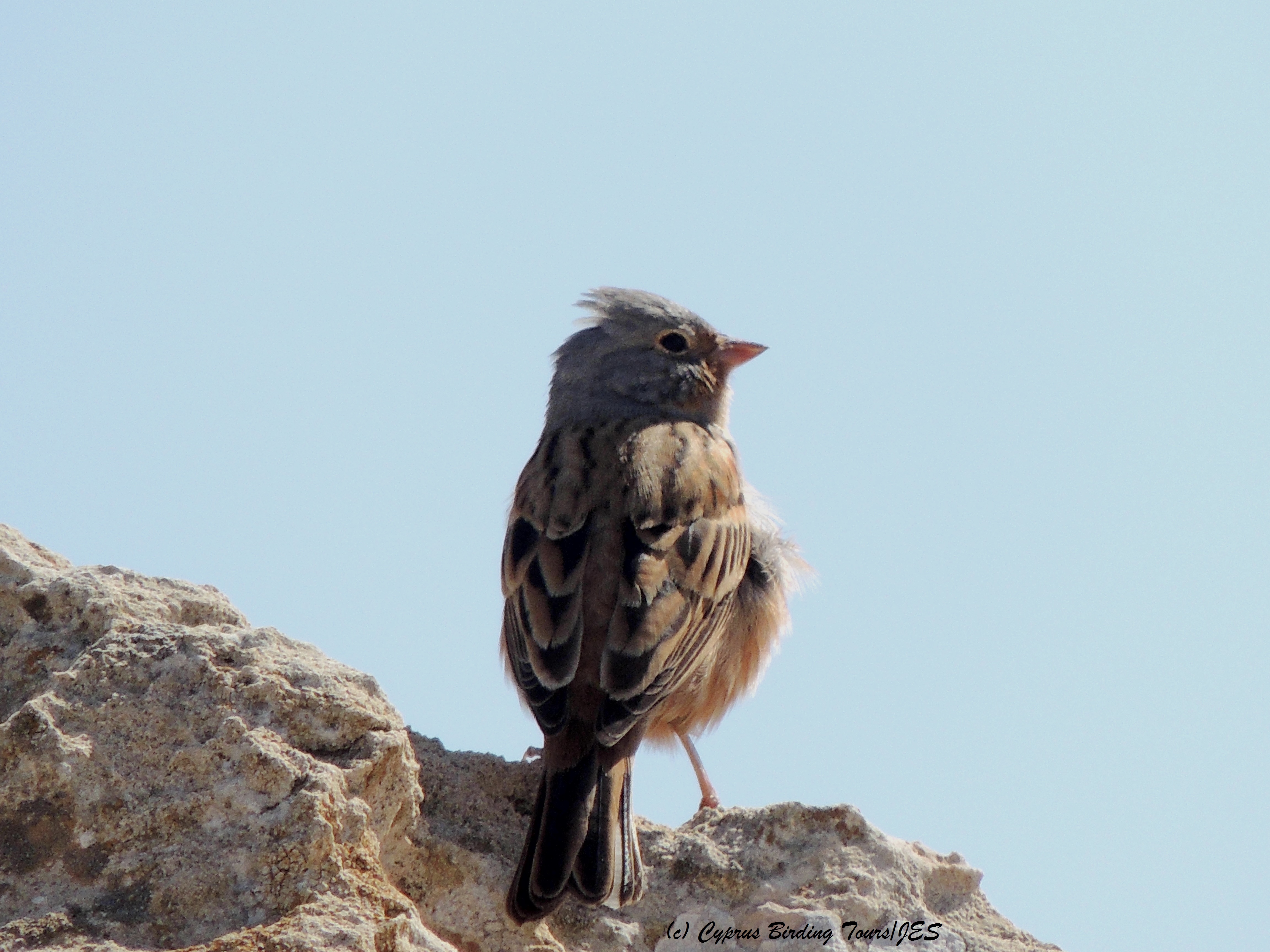
Luckily I decided to drive around the area when I finished and was then really pleased to see a male Ruppell’s Warbler and locate a calling Cretzschmar’s Bunting that looked as if it had just come in off the sea. There was a dark-throated female Finsch’s Wheatear nearby and three Greater Short-toed Lark. Plenty of Isabelline Wheatear as well and a single male Northern Wheatear. Another warbler disappearing into a bush could have been a Subalpine Warbler but I didn’t get a good enough view to be certain. I later heard that one had been seen at Mandria today.
On Oroklini Beach on the way home there were two Mediterreanean Gull, three Sandwich Tern and an adult Armenian Gull in with the Black-headed Gull. No Little Gull on the Marsh but there was a Black-tailed Godwit, a Common Redshank, some Spur-winged Lapwing and three Black-winged Stilt.
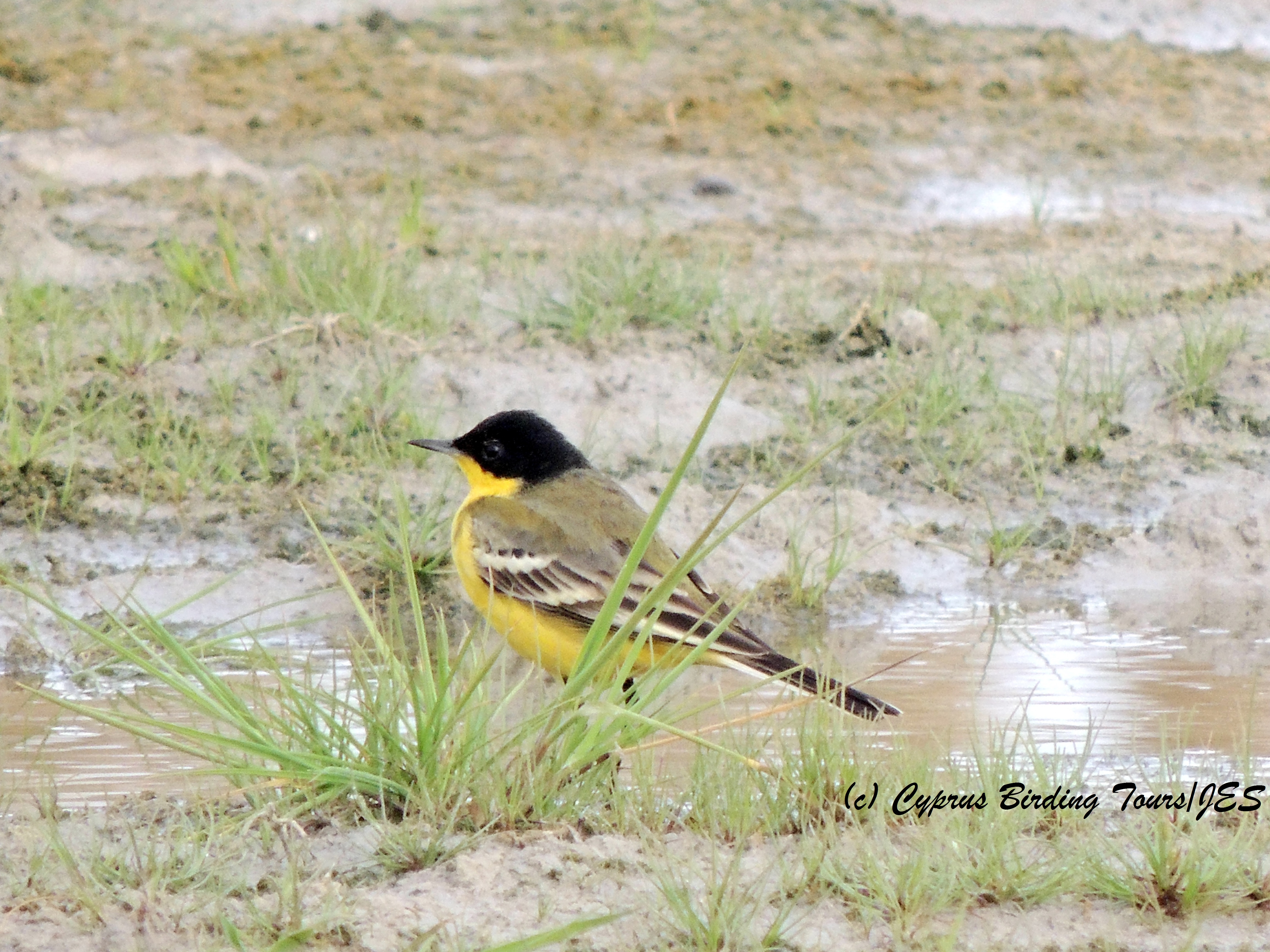
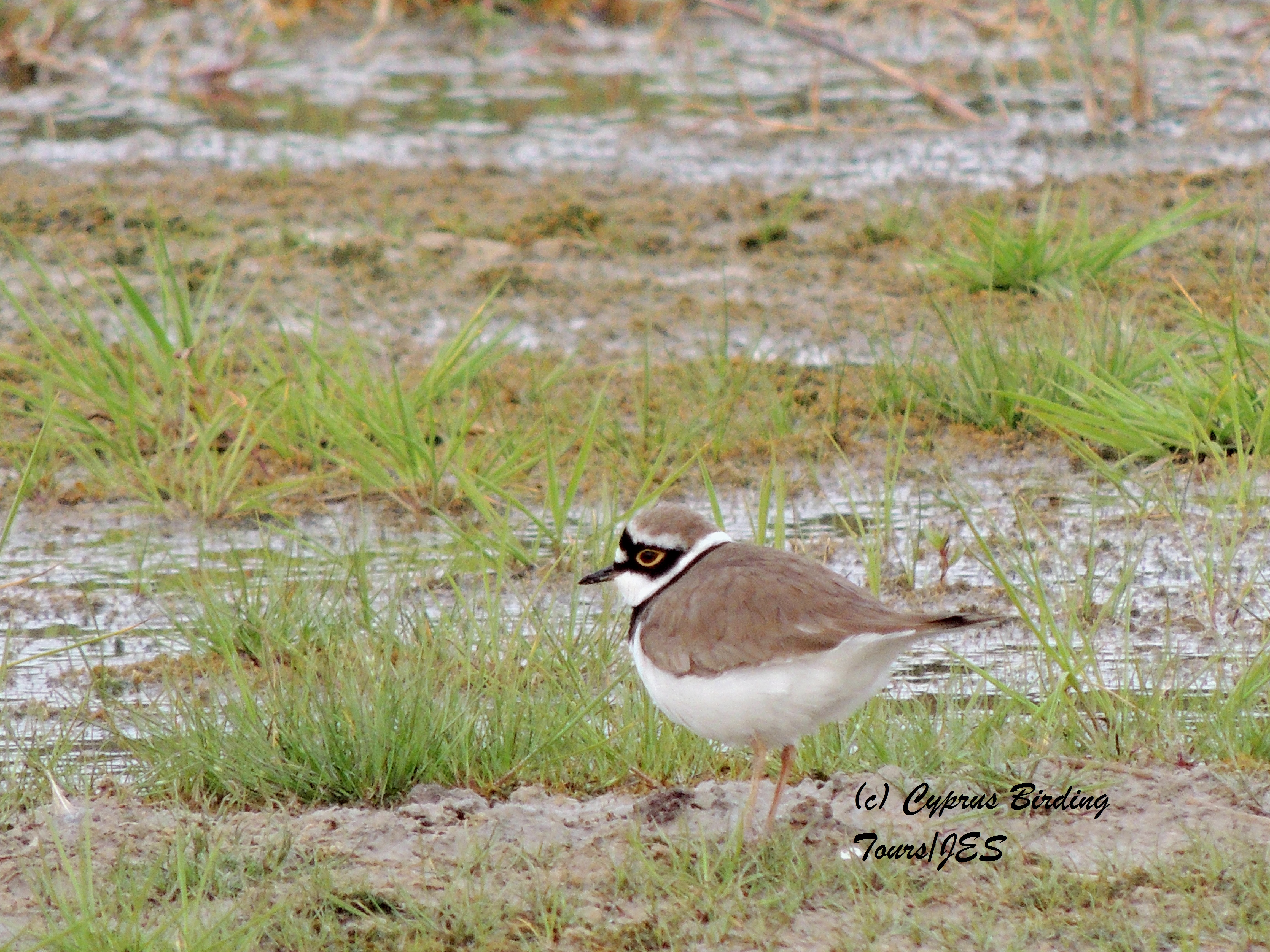
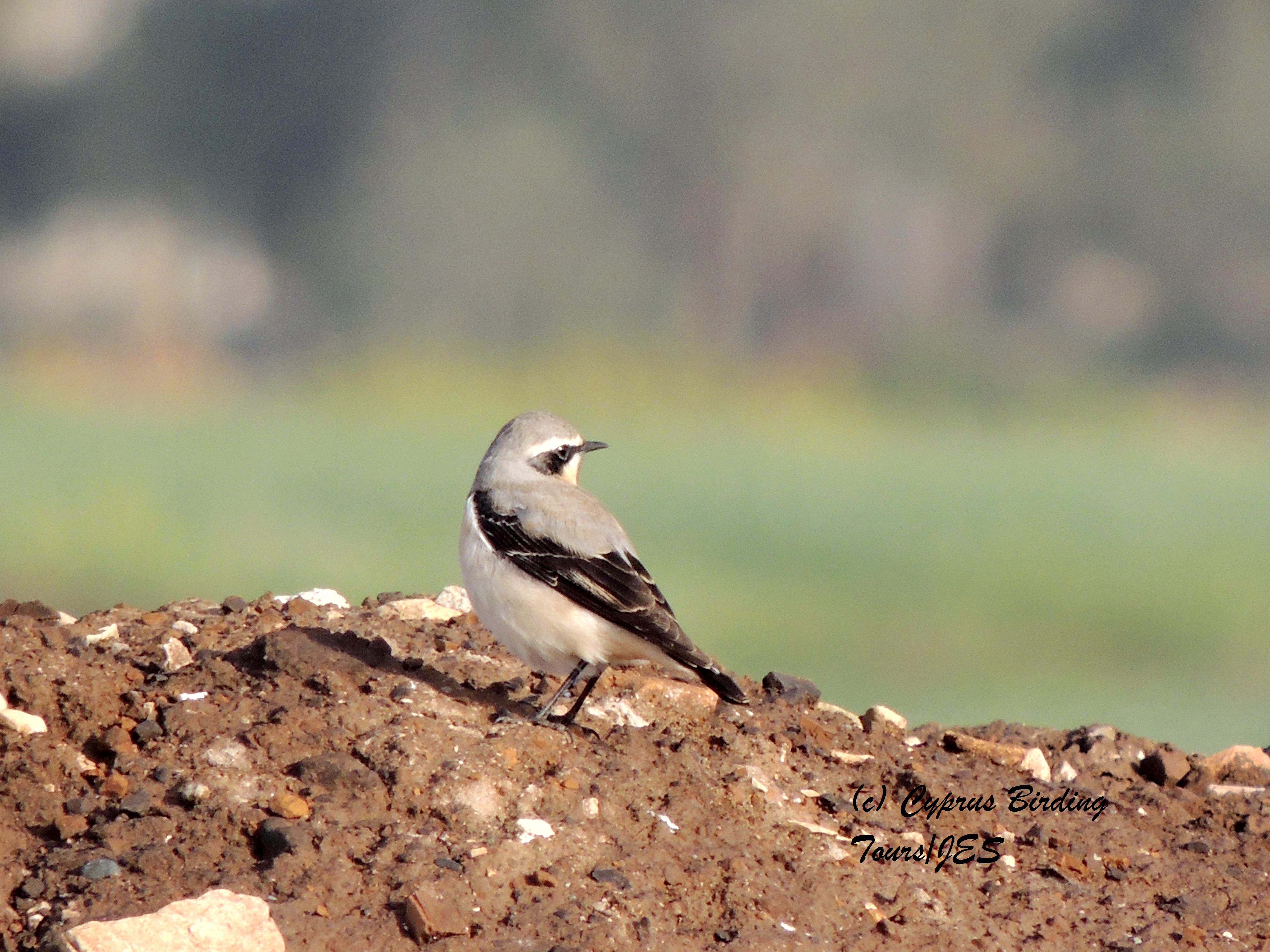
A quick visit to Petounta Point this morning before the Bank Holiday picnickers descended on the area. Migrants seen were two Hoopoe, a male Northern Wheatear, an Isabelline Wheatear, four Green Sandpiper, two Little Ringed Plover, two male Black-headed Wagtail and a male Blue-headed Wagtail. There is still a Reed Bunting in the area as well as plenty of Meadow Pipit, at least four Common Snipe, a Water Rail, up to three calling Black Francolin, overwintering Chaffinch and two Eurasian Skylark. A small group of migrating gulls offshore turned out to be Common Black-headed Gull.
Black-headed Wagtail Petounta 3rd March 2014 (c) Cyprus Birding Tours
Little Ringed Plover Petounta 3rd March 2014 (c) Cyprus Birding Tours
Northern Wheatear Petounta 3rd March 2014 (c) Cyprus Birding Tours
Some evidence of migration this morning around the coastal area south of Larnaca airport. There were two Black-winged Stilt on Meneou Pool together with three juvenile Greater Flamingo and two Isabelline Wheatear in the scrub. In front of the Sewage Works hide there was a small flock of around twenty Red-throated Pipit – some of them in breeding plumage and sporting red throats. On Spiros Pool there was a flock of over forty Ruff feeding with around twenty Golden Plover. There were also a few Kentish Plover, Dunlin and Little Stint.
A small group of eleven Great Cormorant flew east along the coast at Spiros Beach but a much larger one of over 100 flew over the fields south of Pervolia village while I was looking for the Steppe Grey Shrike. It had last been seen on Wednesday in one of the many fields of artichokes there. I had no luck finding it today but did find a ploughed field which had many Eurasian Skylark, at least one Calandra Lark, three Isabelline Wheatear, a male Northern Wheatear and a male dark throated Eastern Black-eared Wheatear.
Black Francolin Larnaca Sewage Works 2nd March 2014 (c) Cyprus Birding Tours
Ruff and Golden Plover Spiros Pool 2nd March 2014. (c) Cyprus Birding Tours
Isabelline Wheatear Petounta Point 1st March 2014 (c) Cyprus Birding Tours
The Isabelline Wheatear is very common on passage through Cyprus during both the spring and autumn. It is usually the first wheatear to be seen and among the first migrants of the year. Also seen on migration are the Northern Wheatear, Eastern Black-eared Wheatear and Desert Wheatear. The Cyprus Wheatear is an endemic migrant breeder. Finsch’s Wheatear are localised winter visitors between October and March with a few occuring on passage. Hooded, Mourning, Kurdish, Pied and White-crowned have occured as vagrants.
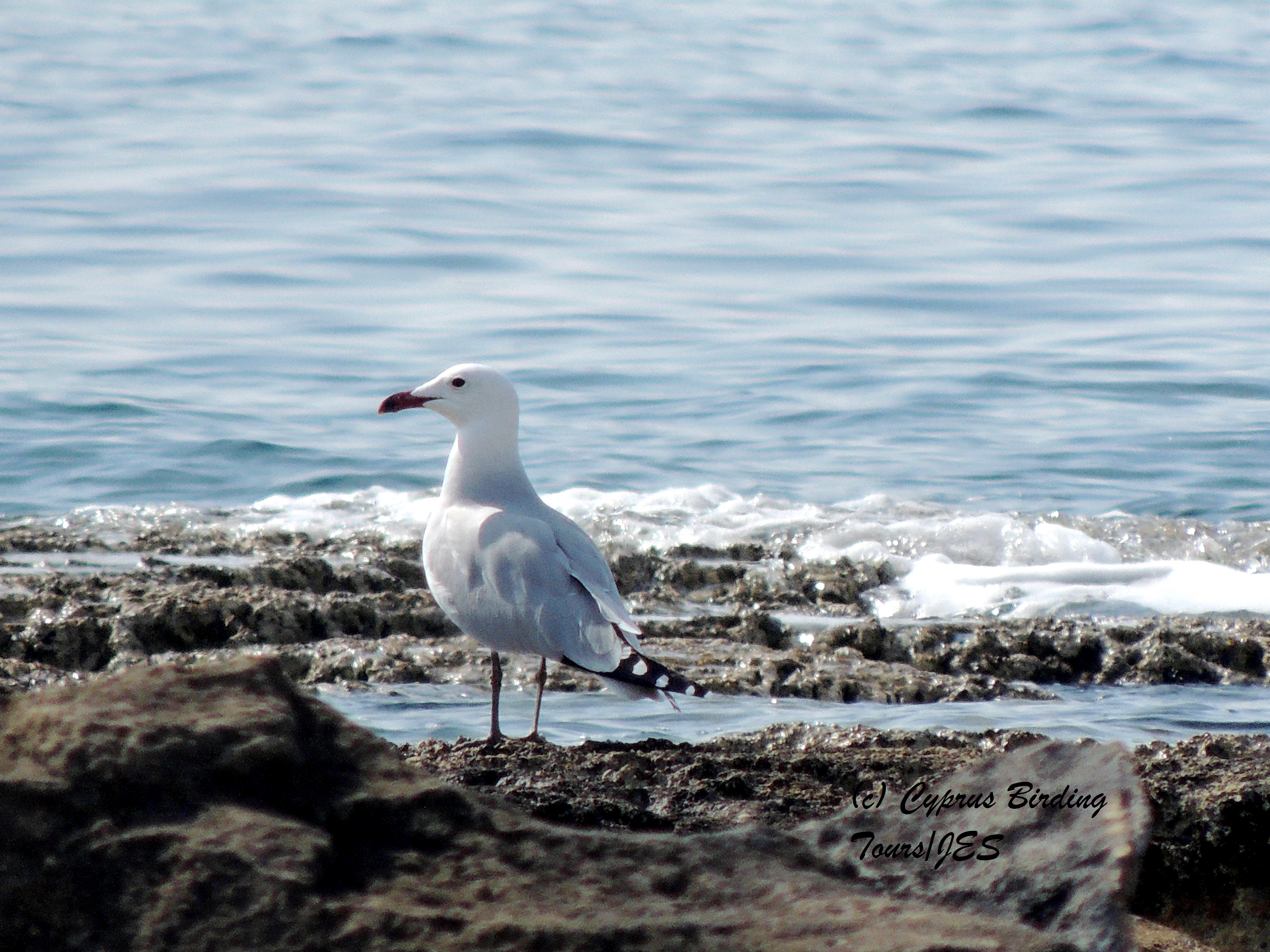
Started at Kermia Beach this morning where I found a Little Egret, two adult Audouin’s Gull, a Grey Plover, a Kentish Plover and a Greater Sand Plover. Around Cape Greco there were four Isabelline Wheatear, four Blue Rock Thrush, including a singing male, and a female Finsch’s Wheatear – which I was especially pleased to find as it had eluded me on other visits this winter. At Agia Trias there was a Common Sandpiper, a Common Kingfisher and two more Grey Plover but no sign of the Red-breasted Merganser that were there last week.
On Oroklini Beach in the late afternoon there were around twenty Armenian Gull, hundreds of Common Black-headed Gull, a single Mediteranean Gull and five Sandwich Tern. I had been hoping to find a Little Gull there so I was pleased to see that there was one on Oroklini Marsh along with many Cattle Egret, Northern Shoveler, Common Teal, Cattle Egret, Barn Swallow and a few Greater Flamingo.
My planned visit to Akrotiri today luckily coincided with the discovery yesterday of a Cream-coloured Courser at Akrotiri Gravel Pits. Fortunately it was easy to find and as well as seeing that I got my first Isabelline Wheatears (six in total) and Great Spotted Cuckoo of the year. On the coast there were two Eurasian Curlew and in the reeds at Phassouri I found a ReedBunting. There were at least three Western Marsh Harrier and three Common Buzzard in the area. Several Barn Swallows and House Martin were flying around and before I arrived another birder had seen a group of around fifty Common Swift pass over.
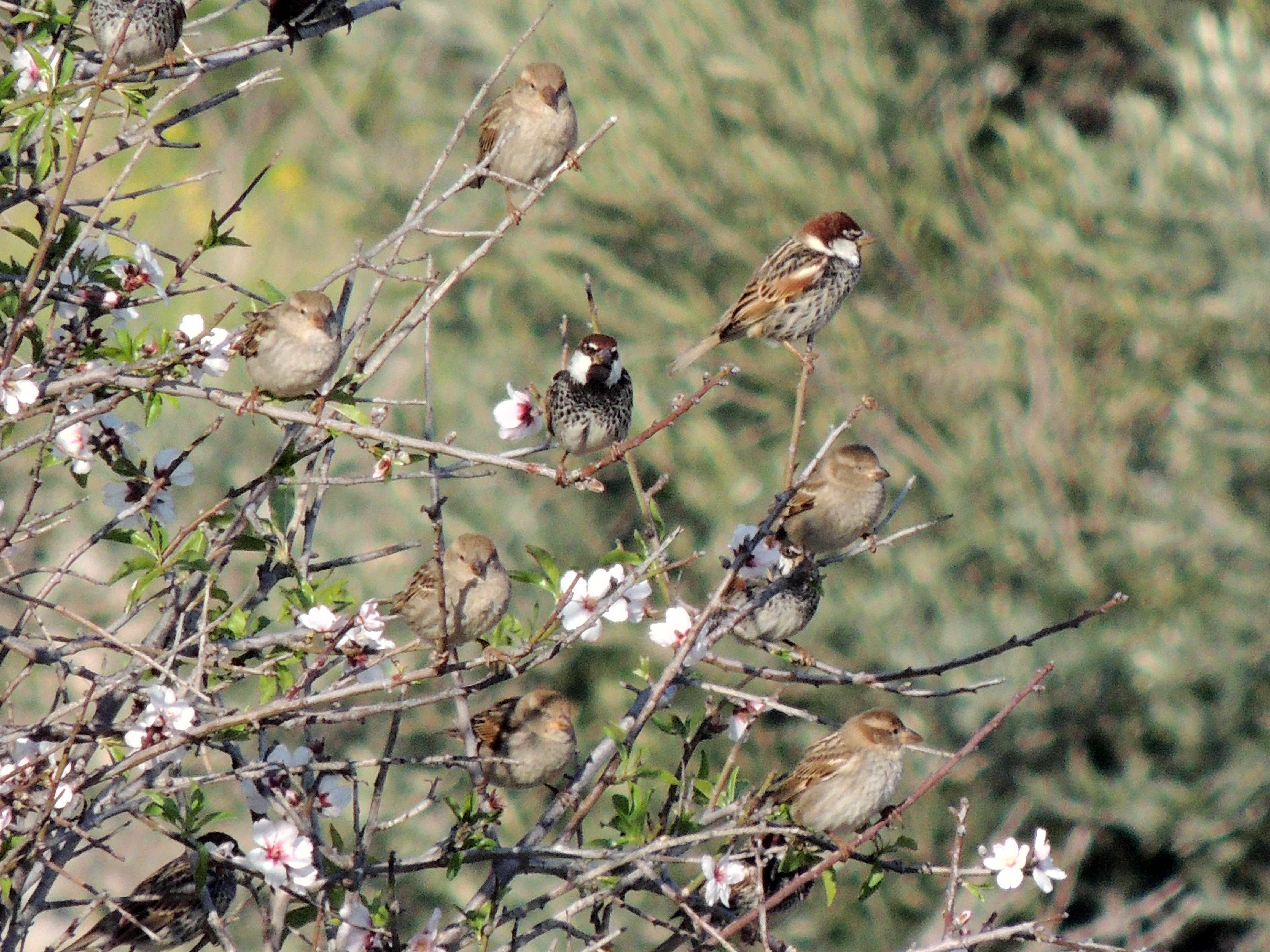
I later found one of the Laughing Doves that are now breeding in a residential area of Limassol. They are probably escapes but are well established in the area. Afterwards I went to Amathus where I found another Isabelline Wheatear, five Black Redstart, sixty Spanish Sparrow, over thirty Common Linnet, several Song Thrush and a female Blackbird, two male Cyprus Warbler, a couple of Chukar and more than twelve Corn Bunting.
Two days birding with Paula and Jack over from Canada for a couple of weeks. Paula’s wish list had contained several passage migrants which unfortunately the timing of her visit wouldn’t allow for – infact the only spring migrant we saw were Barn Swallow. It was interesting to take out a couple with little experience of European species and therefore did not tire of the many Common Stonechat and Crested Lark we saw which we take for granted here.
We spent Monday in the Limassol area starting at Germasogeia Dam where we were able to see Common and Long-legged Buzzard and a pair of Bonelli’s Eagle. Flocks of Chaffinch, Linnet, Serin, European Goldfinch, Spanish Sparrow and Meadow Pipit were around and several Great Cormorant, Common Coot and Common Teal were on the water. There were plenty of Common Stonechat and Chiffchaff but although we could hear singing Song Thrush and several flew quickly past us, none would stay still in the open for Paula to get good views of them.
It was very windy on the Akrotiri Peninsula and there were not many small birds out in the open. We did find the long-staying young Common Crane which is now acquiring adult plumage and had brief glimpses of a couple of Water Pipit. At least eight Cattle Egret were present together with a single Little Egret. Two flocks of Rock Dove flew over. A couple of Western Marsh Harrier were flying over the area and we disturbed a perched Common Buzzard which flew off in front of the car. On the coast there was a large flock of at least fifty European Greenfinch. On Lady’s Mile we found three roosting Common Ringed Plover and three Kentish Plover as well as a Little Stint. There were four adult Armenian Gull and around twenty juveniles on the sea together with over a hundred Common Black-headed Gull.
We tried out the new hide overlooking Zakaki Marsh but the wind made viewing unpleasant. There were a couple of Teal together with some White Wagtail, a Water Pipit and a Green Sandpiper. I heard a Common Snipe fly off but we were unable to see it. We headed to Kensington Cliffs to finish the day where a single Griffon Vulture rose up from the cliffs to greet us. We spent some time watching it having found a relatively sheltered viewing point. Paula was pleased to get her first view of Common Woodpigeon on the trees there but only I was able to see the European Shag heading east over the bay.
A trip around Paphos was planned for Wednesday and we started with a walk around the Headland. The sea was calm and we had no wind, so we were optimistic of seeing a few more of our target species. A male Western Black Redstart was the first bird we found. There were several Eurasian Skylark flying over the area and we watched a singing Corn Bunting, a male Sardinian Warbler as well as Linnets and Meadow Pipit. I found a Red-throated Pipit but it was disturbed before Paula could see it. We found the Eurasian Golden Plover on the shore as well as the long-staying Dunlin. The four Greater Sand Plover were harder to find but we soon got the ‘scope on them. Each one had slightly different plumage, ranging from winter to almost in full breeding plumage.
At Paphos Sewage Works we were able to see five Spur-winged Lapwing but the star birds there were the large flocks of European Serin, probably two hundred birds in total, which were singing and flying around the area. We were pleased to get a good view of a Cetti’s Warbler which we had heard calling as well as a male Blackcap. The Song Thrush continued to refuse to allow Paula good views however. A Common Buzzard circled over the area and an army helicopter flying over and scaring the birds meant the six Cattle Egret landed in front of us. We spent most of our time at Mandria looking for Red-throated Pipit and were pleased to find a flock of about twenty as we were leaving the area. They came close to the car and we were able to sort out the ID differences between them and the Meadow Pipit. Flocks of Eurasian Skylark were everywhere – even coming close to us as we ate our picnic lunch. Eight Golden Plover were present but despite searching for an early Isabelline Wheatear reported early in the week we were unlucky. A female Hen Harrier flew over giving Paula and Jack the chance to compare it with the Northern Harrier they were more familiar with.
We headed inland and at Anarita Park were pleased to find two male Finsch’s Wheatear and a male Blue Rock Thrush and Paula was also able to get another look at a Chukar. A flock of Woodlark obligingly stopped on a boulder near the track as we drove past and we could compare its characteristics with the Crested and Skylark we had seen earlier. As no Cyprus Wheatear had been reported yet I hoped that we would be able to find an endemic Cyprus Warbler at least for Paula and Jack. We headed to Asprokremmos Dam where we luckily found a very smart male defending his territory. Unluckily only I saw the Little Owl in his cave nearby. On the water there were at least one hundred gull – probably Yellow-legged. We finished our day at Kouklia Soakaways were we saw two Moustached Warbler and heard at least one other.
Although our Monday had not been as productive as we had hoped, Wednesday made up for it and I would like to thank Jack and Paula for their interesting company.
68 species:
Great Cormorant, European Shag, Cattle Egret, Little Egret, Grey Heron, Common Shelduck, Eurasian Teal, Mallard, Eurasian Griffon Vulture, Western Marsh Harrier, Hen Harrier, Common Buzzard, Long-legged Buzzard, Bonelli’s Eagle, Common Kestrel, Chukar, Common Moorhen, Eurasian Coot, Common Crane, Common Ringed Plover, Kentish Plover, Greater Sand Plover, Eurasian Golden Plover, Spur-winged Lapwing, Little Stint, Dunlin, Common Snipe, Green Sandpiper, Common Black-headed Gull, Yellow-legged Gull, Armenian Gull, Rock Dove, Common Woodpigeon, Eurasian Collared Dove, Little Owl, Crested Lark, Woodlark, Eurasian Skylark, Barn Swallow, Meadow Pipit, Red-throated Pipit, Water Pipit, White Wagtail, European Robin, Western Black Redstart, Common Stonechat, Finsch’s Wheatear, Blue Rock Thrush, Song Thrush, Cetti’s Warbler, Zitting Cisticola, Moustached Warbler, Sardinian Warbler, Cyprus Warbler, Eurasian Blackcap, Common Chiffchaff, Great Tit, Eurasian Magpie, Western Jackdaw, Hooded Crow, House Sparrow, Spanish Sparrow, Common Chaffinch, European Serin, European Greenfinch, European Goldfinch, Common Linnet, Corn Bunting.
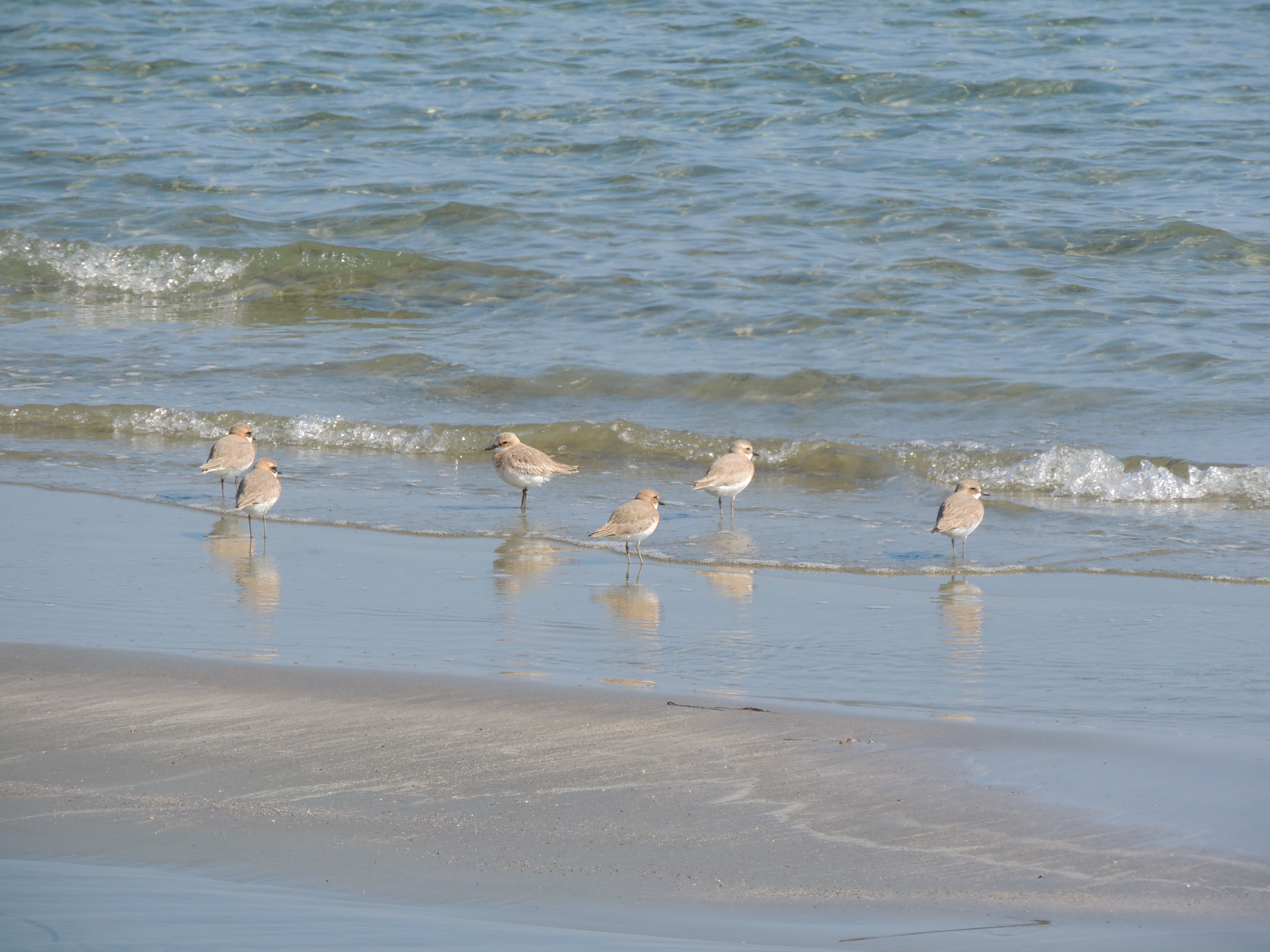
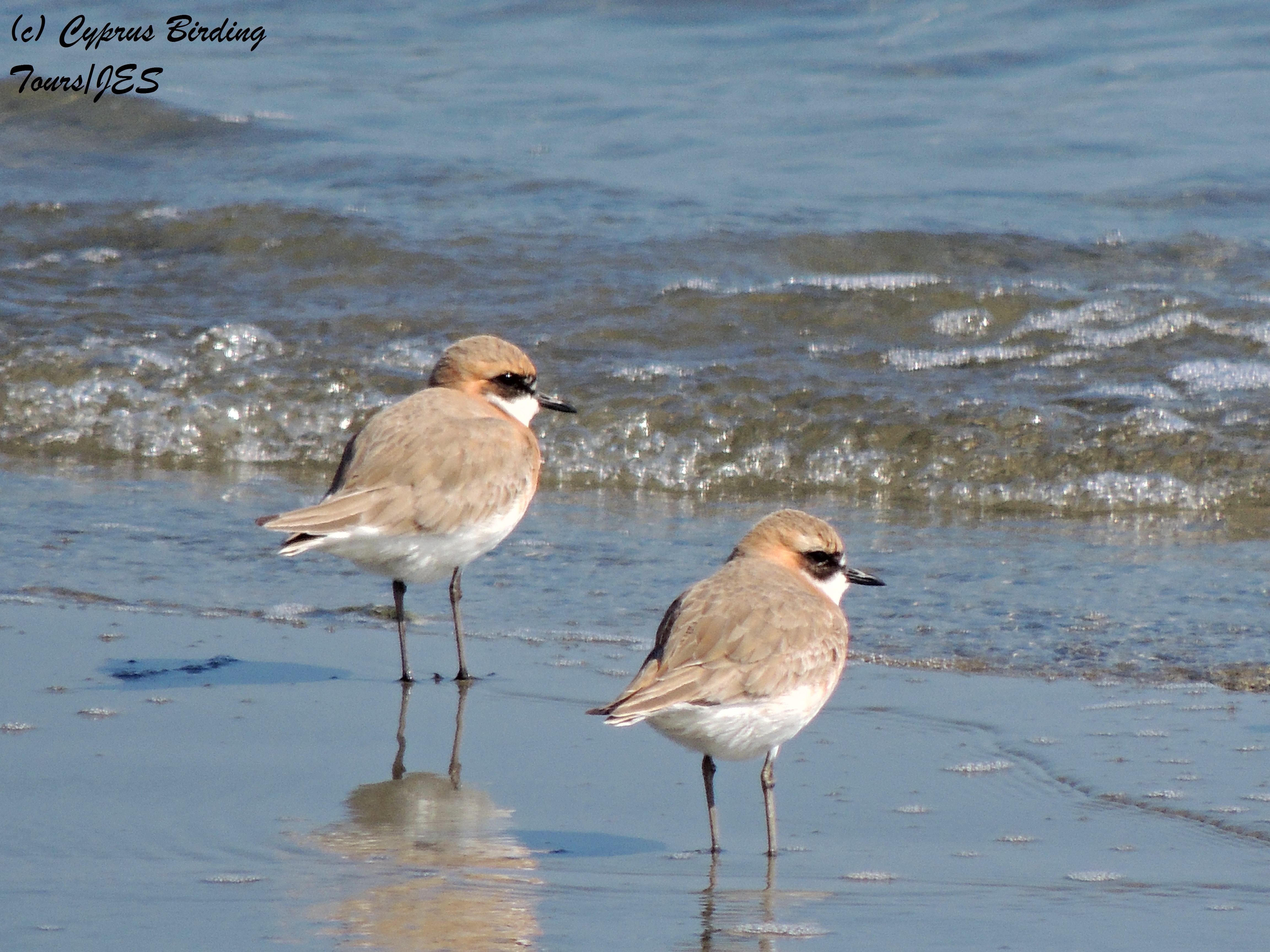
A record shot of the four female types that have been making an appearance in the area in the late afternoon since the weekend. A rare bird for Cyprus, the last record was of up to three in the same area in January 2011. A female was at Potamos Liopetri late January/early February 2009, while up to six had spent several weeks at the same location in early 2008.
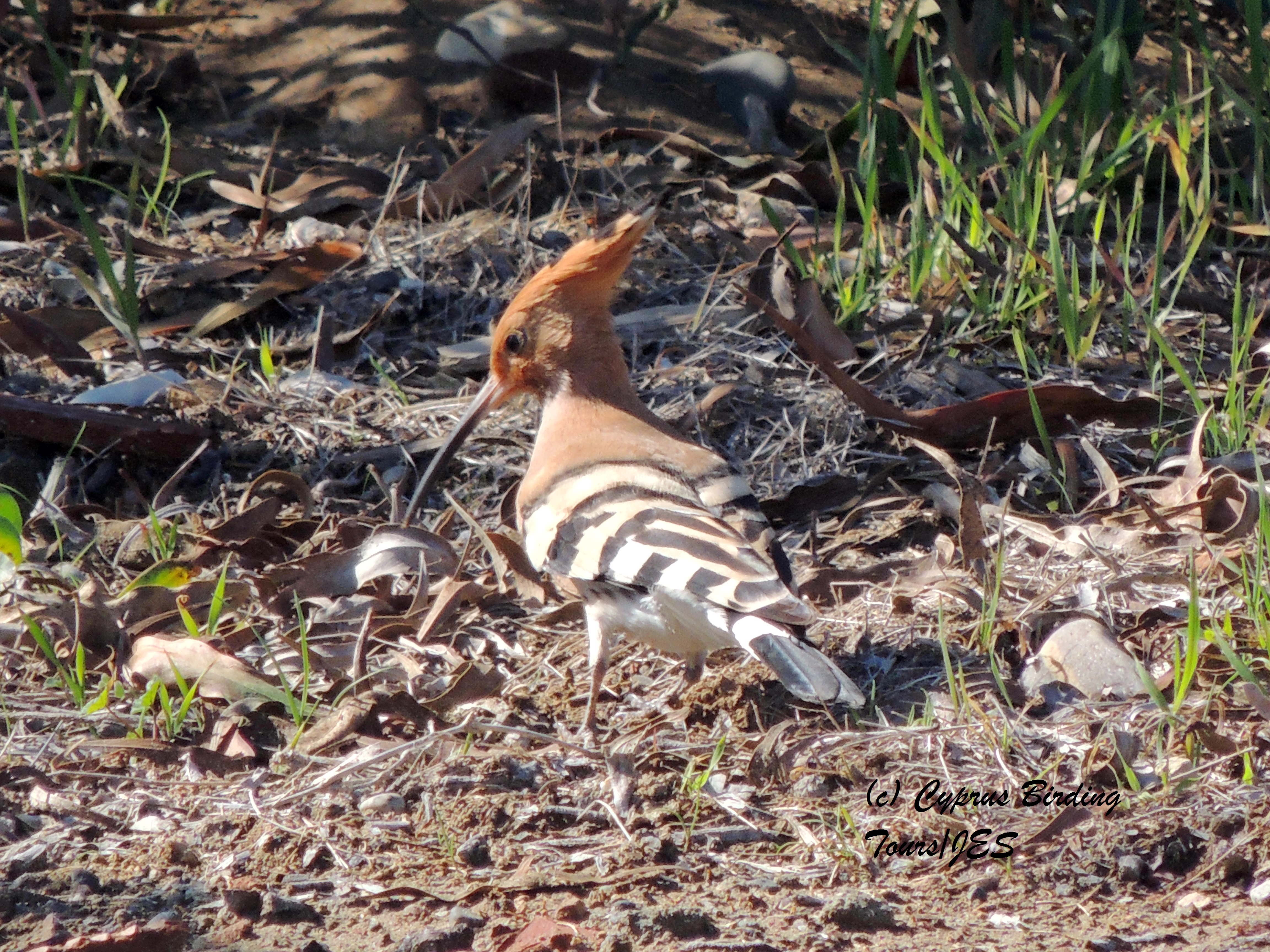
After checking in on the Steppe Grey Shrike at Pervolia, I made a quick visit to Petounta. Found my first Hoopoe of the spring there as well as two Gadwall and three Kentish Plover on the shore and a single Reed Bunting. There were also many Meadow Pipit, Eurasian Skylark, singing Corn Bunting and a calling Black Francolin.
Eurasian Hoopoe Petounta Point February 18th 2014 (c) Cyprus Birding Tours
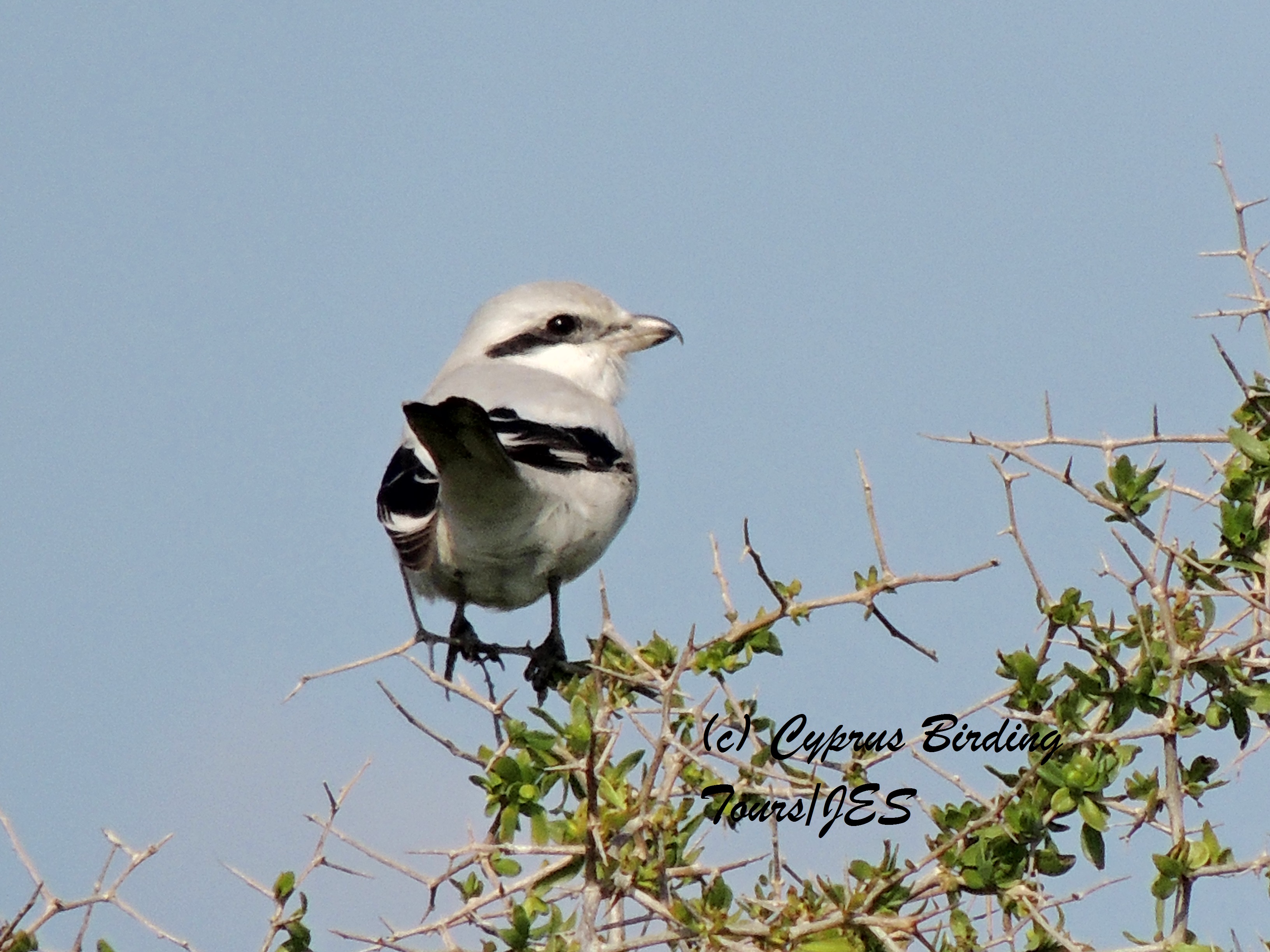
This individual was found in his garden by a Pervolia resident on Wednesday and photographed. Despite no luck when looking for it on Friday, I managed to find it today in a nearby field and from the photographs taken today it appears to be a Steppe Grey Shrike Lanius meridionalis pallidirostris. Wonder how long it has been there and how long it will stay. As it is not at one of the known birding sites it may never have been discovered!









 Cyprus Birding Tours