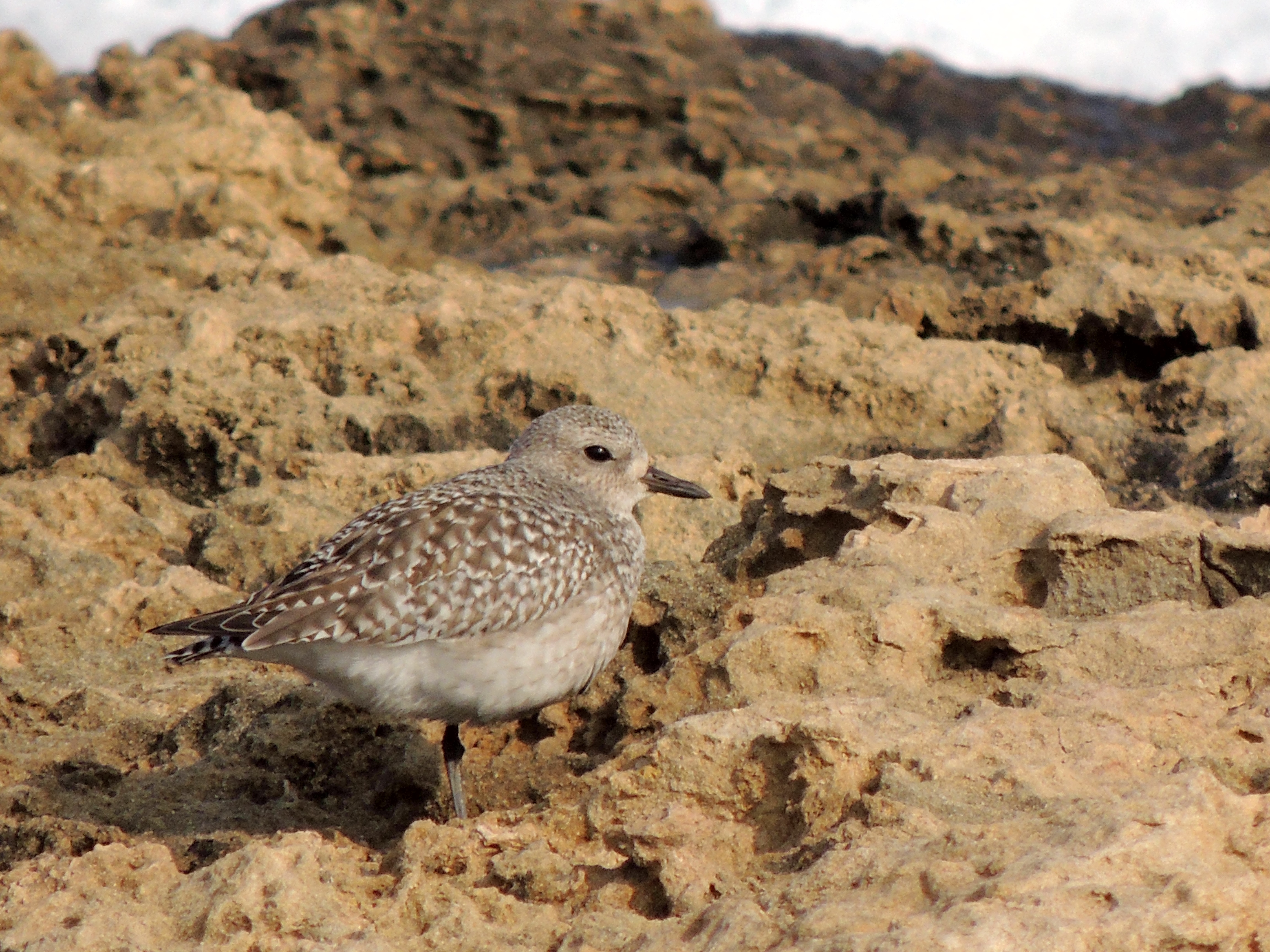
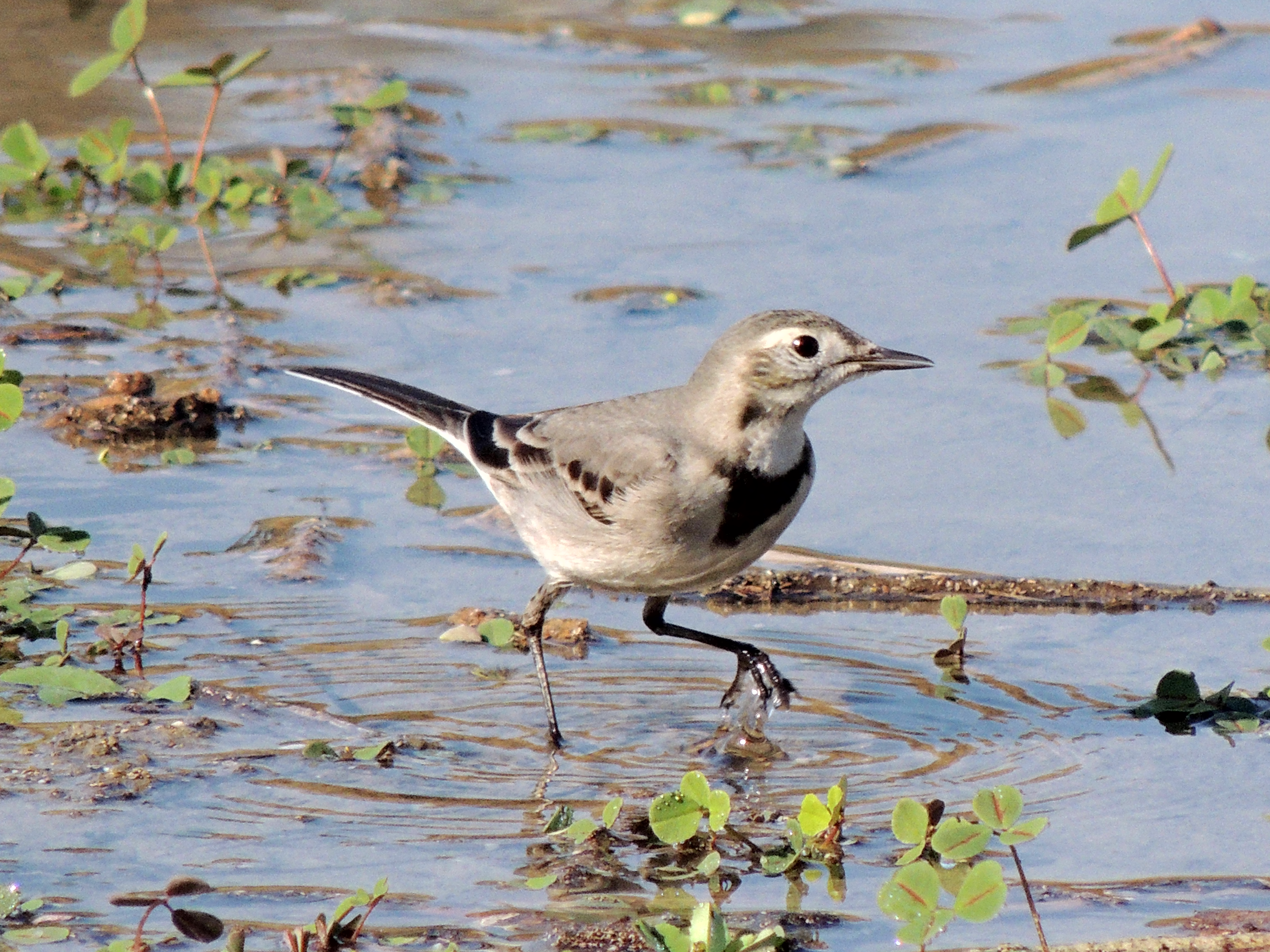
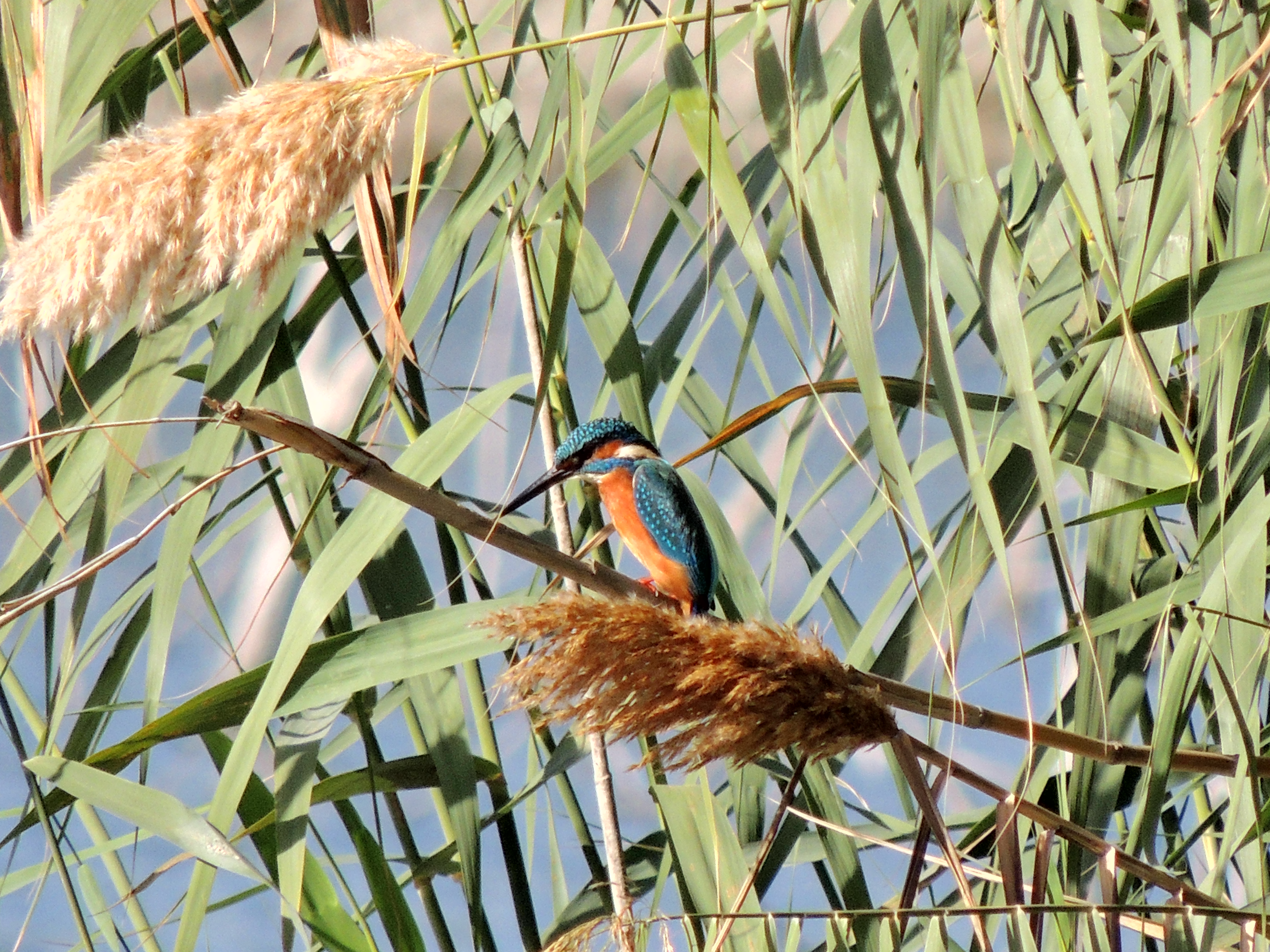
Headed over to the east of the island today and at Agia Trias found four Grey Plover, two Greater Sand Plover, a Common Sandpiper, a Common Kingfisher and two Sandwich Tern. At Cape Greco there were two male and a female Blue Rock Thrush and among the Little Grebe at Agia Napa Sewage Works there was a lone Black-necked Grebe. There was another Grey Plover at Kermia Beach together with a Greater Sand Plover and a Kentish Plover. Single Little Egret were at Makronissos Beach and Agia Thekla. In with the nearly 300 Common Black-headed Gull on Oroklini Beach was a Mediterranean Gull. At sunset at Oroklini Marsh there were twenty two Cattle Egret, three male and two female Northern Pintail and five Common Shelduck. At all sites visited there were Meadow Pipit, Common Stonechat, Goldfinch and Linnet.
Category Archives: Birding
Common Stonechat, Paphos Sewage Plant January 3rd 2014
The Common Stonechat Saxicola torquatus is one of the commonest winter visitors to Cyprus being found almost everywhere at lower altitudes. The first ones arrive in early October and by mid-October they are very common. In mid March their numbers decrease and only a very few stragglers remain in April. They usually pair up while they are here to make it easier to defend their winter territories. A few individuals from the eastern subspecies Saxicola torquatus maurus ‘Siberian Stonechat’ and the race ‘variegatus’ ‘Caspian Stonechat’ have been recorded, most frequently during spring.
Great Black-headed Gull and Greylag Goose at Larnaca today, 2nd January 2014
While I was checking the gulls on Larnaca Airport Pools South today an adult Great Black-headed Gull flew in and joined the Armenian, Caspian and Yellow-legged Gull there. It didn’t stay long as on my way out of the area it was no longer present and I didn’t find it at the Salt Lake either. There were also over 300 Golden Plover which later moved to Spiros Pool and a single Eurasian Curlew. The Greylag Goose that was found at the Sewage Pools just before Christmas was still present and as well as seven Ruddy Shelduck, nine Black-necked Grebe, thirteen Greater White-fronted Geese, five Eurasian Wigeon, seven Northern Pintail, well over a thousand Northern Shoveler and at least seven hundred Teal. There were also four Black-winged Stilt, a couple of Common Redshank and a Marsh Harrier which kept putting the birds up as it flew over. On the causeway between the two pools there was a first winter Mediterranean Gull. Twelve Northern Lapwing were on the fields together with some Eurasian Skylark and a mixed flock of House and Spanish Sparrow.
With some water now on the main Salt Lake there are around 1000 Greater Flamingo now present as well as over 600 Common Shelduck and hundreds of Common Black-headed Gull. Near the Tekke Mosque there were flocks of Linnet, Goldfinch and Corn Bunting as well as Spectacled and Sardinian Warbler. The Little Owl was also in its usual location. On the eastern side I found at least six Reed Bunting in a stand of reeds near to the hide there and on the mud there were several Common Ringed Plover, a Dunlin, many Little Stint and Kentish Plover and others too distant to identify.
New Year’s Day Birding in Nicosia, January 1st 2014
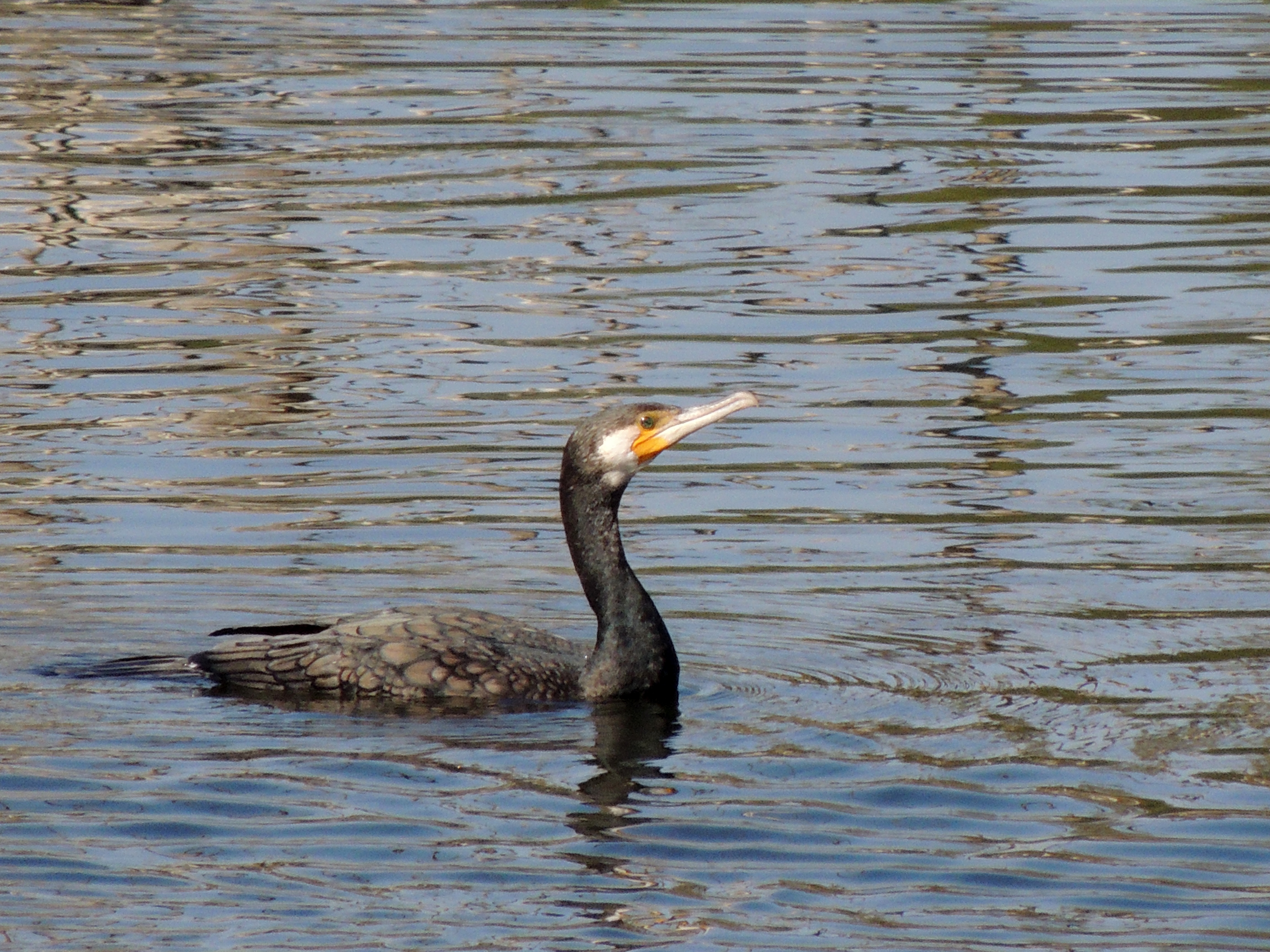
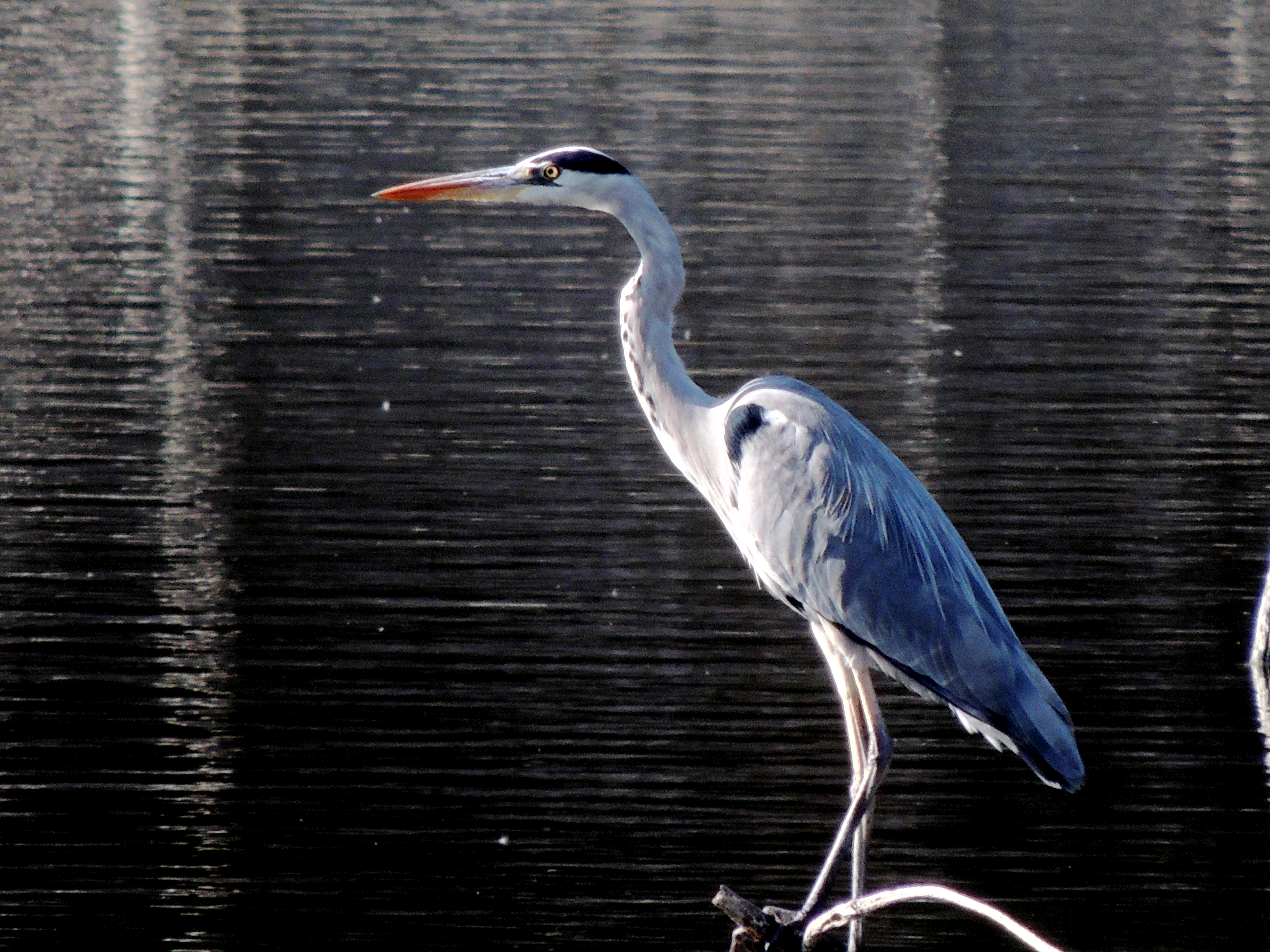
First birds of the year were a European Robin and Blackcap both singing in the garden. Headed for Athalassa this morning where as well as the expected heron species, ducks etc there were a couple of Black-winged Stilt (not a bird you’d expect to be on your day list for January 1st), a juvenile Black-crowned Night Heron and at least three Black Francolin. The numbers of Common Teal and Northern Shoveler have increased slightly but strangely I saw no Mallards. There were over sixty Great Cormorant and flocks totalling at least 100 Common Woodpigeon flew over.
A visit to Agios Sozomenos in the afternoon produced two male Finsch’s Wheatear, two Blue Rock Thrush and a male and a female Hen Harrier. A flock of at least sixty Northern Lapwing were flying over the fields and as well as two male Sardinian Warbler I also saw two male and a female Cyprus Warbler.
Species seen:
Athalassa Park – Little Grebe 5, Great Cormorant 63, Black-crowned Night Heron 1 juvenile, Cattle Egret 1, Little Egret 9, Great Egret 2, Grey Heron 8, Common Teal c10, Northern Shoveler 8+, Common Kestrel 1, Moorhen 20+, Coot c50, Black-winged Stilt 2, Common Woodpigeon 100+, Crested Lark 1, Woodlark 3, Grey Wagtail 1, White Wagtail 5, European Robin 3, Common Stonechat 1, Blackbird 3, Cetti’s Warbler 4+, Sardinian Warbler 2, Chiffchaff 6, Great Tit 5, Magpie 4, Hooded Crow c50, Western Jackdaw 3, House Sparrow 4, Chaffinch 8+
Agios Sozomenos – Cattle Egret 1, Hen Harrier 1m and 1f, Northern Lapwing 60, Meadow Pipit c20, European Robin 2, Western Black Redstart 2, Common Stonechat 8+, Finsch’s Wheatear 2m, Blue Rock Thrush 2, Song Thrush 1, Spectacled Warbler 1, Sardinian Warbler 2m, Cyprus Warbler 2m and 1f, Chiffchaff 2, Magpie 3, Chaffinch 2, Corn Bunting 3
My birding 2013
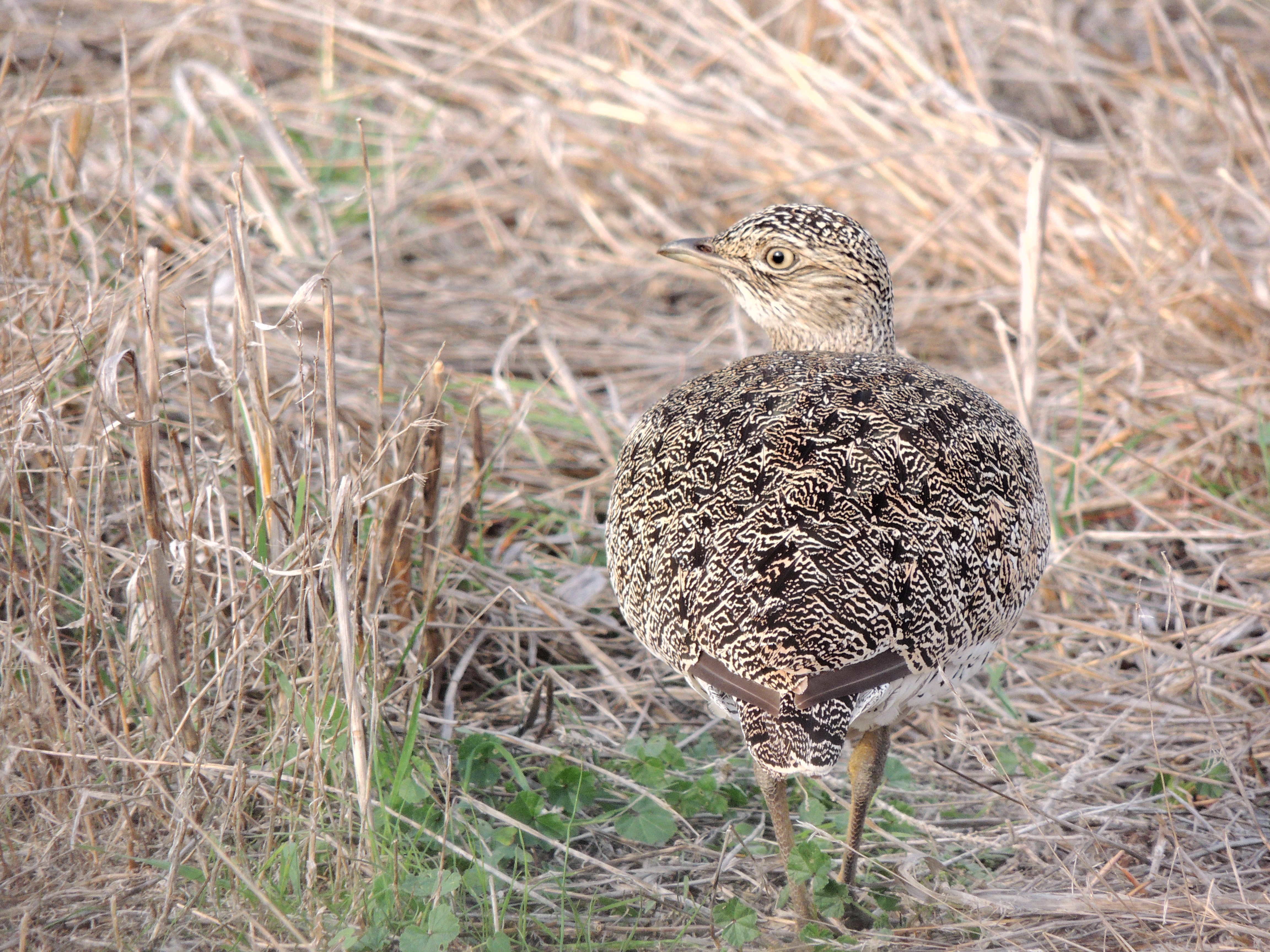
Just been checking the number of species I saw here in Cyprus during 2013 and a bit disappointed but not surprised to see it is 243 – one less than in 2012. Highlights were the Little Bustard, Terek Sandpiper, my first Cyprus Yellowhammer, the Hawfinches at Armou early in the year, my second Wallcreeper and the Red-breasted Flycatcher. The list of missing species includes Demoiselle Crane, Great Crested Grebe, Black Stork and Goldcrest and for the fourth consecutive year, Northern Raven. Not having seen that is probably the most depressing being testament to their status now here on the island – seemingly only a few pairs in the occupied north.
Good birding to every one in 2014.
Akrotiri today 31st December 2013
Last day of the year and was keen to get out and try to see if I could add one new species to my 2013 list today. No luck with that but still an enjoyable day around Akrotiri.
It was raining heavily when I left Nicosia this morning but the Akrotiri area was dry all day. Had good views of a Eurasian Bittern at Phassouri. Spent some time trying to locate the Reed Bunting I had heard but found many Water and Meadow Pipit and several Common Snipe. There were at least seven Common Buzzard flying over the area as well as five Marsh Harrier and a European Sparrowhawk.
There are at least 8000 Greater Flamingo on the main Salt Lake and around two hundred Common Shelduck with some Common Teal and Northern Shoveler as well. Yet more Marsh Harrier were quartering the Salt Lake and there were around eighty Golden Plover together with smaller waders – mainly Kentish Plover. On Lady’s Mile there were about five hundred Black-headed Gull, twelve Armenian Gull, a couple of Sandwich Tern and a few Caspian Gull as well as fifty Little Stint and a Dunlin.
Little Bustard shot
Appalled to hear today that the Little Bustard present outside Nicosia for the last two weeks appears to have been shot by hunters. A photograph of a shot Little Bustard was seen and the Nicosia bird has not been seen for two days. No coincidence that most years there are reports of shot Little Bustard on the island but that prior to this recent record the last live bird seen was in 1979. Very sad and typical of the irresponsible attitude prevalent among so many local hunters.
Larnaca today 16th December 2013
Finally I was able to get out birding today even if mainly to do the waterbird count around Larnaca. What a difference from last December though. Then there were around 7000 Greater Flamingo on the Larnaca Salt Lake but the low rainfall of the last few months meant there is very little water in the Lake yet and I found a only three young birds at the Sewage Works – although at Akrotiri Salt Lake there are currently around 11000 as that has had water in all year. There were around 1300 Northern Shoveler and 730 Common Teal as well as nearly 200 Mallard and plenty of Common Coot and Little Grebe on the Sewage Works Pools. There are thirteen Greater White Fronted Geese and twelve Black-necked Grebe. The only other duck species I found was a single Northern Pintail. Plenty of Black-headed Gull but only one juvenile Caspian Gull.
There were a lot of Eurasian Skylark, Meadow Pipit and some Red-throated Pipit around and at least 160 Golden Plover on Spiros Pool. On the main Salt Lake there were just under 400 Common Shelduck and some Kentish Plover, Little Stint and Dunlin as well as Black-headed Gull and three Armenian Gull. A flock of fifty Northern Lapwing flew over and a Marsh Harrier and Common Buzzard were hunting in the area. In the reeds I found four Reed Bunting as well as Chiffchaff, Linnet, Corn Bunting, Chaffinch, Song Thrush Cetti’s Warbler, Robin and Stonechat.
I continued to Petounta Point where I spent a long time watching both a Jack Snipe and a Water Rail that were out in the open. Also there were five Common Snipe, a Temminck’s Stint, a Common Sandpiper, some Common Teal, nine Common Starling, plenty of Meadow Pipit and White Wagtail, and a Marsh Harrier which was perched in the reeds as I arrived.
Little Bustard, Cyprus, 4th December 2013
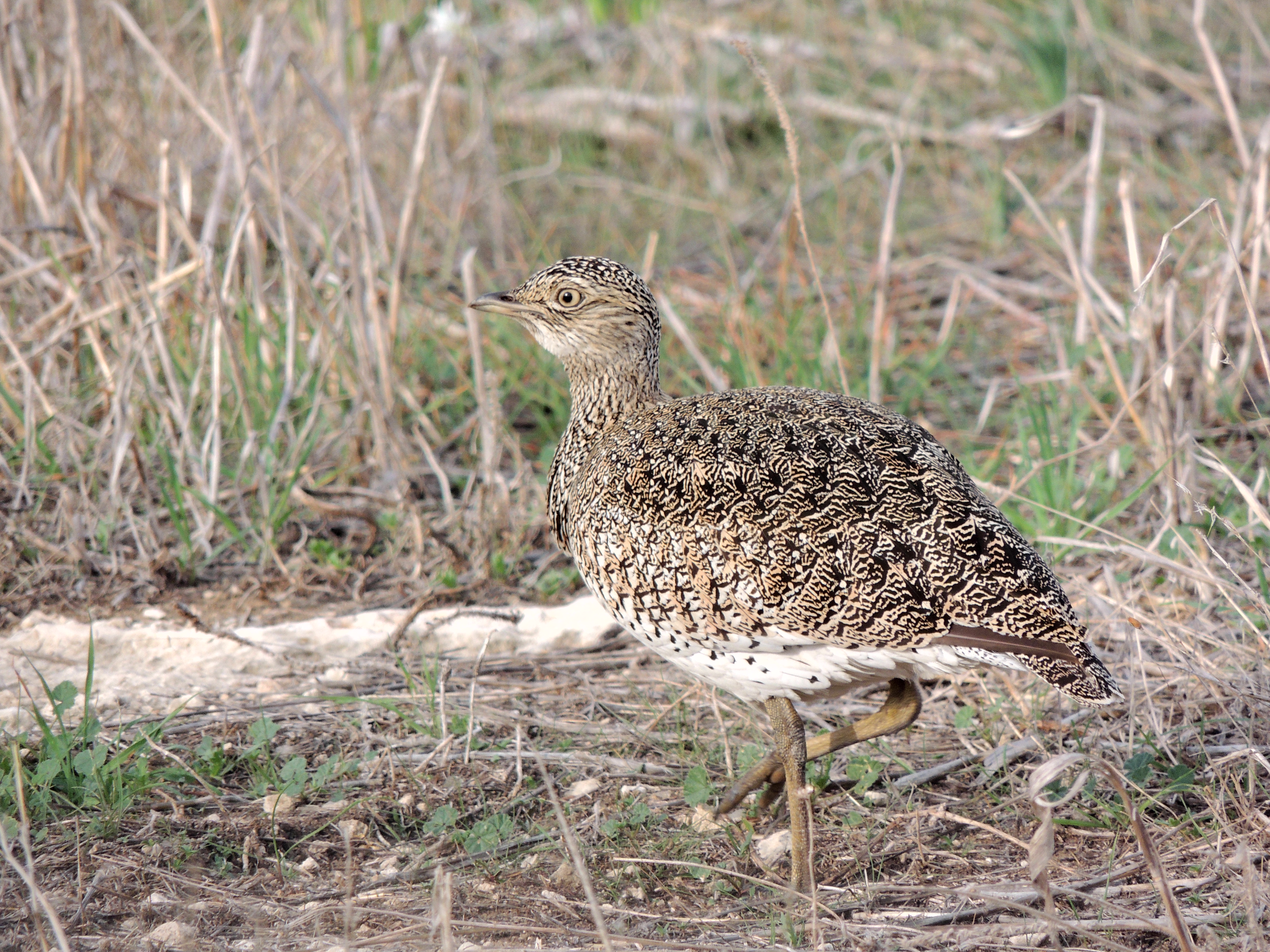
If anyone had told me this time yesterday that I would soon not only have seen a Little Bustard in Cyprus but would have taken photos of it I would never have believed them. Every year there is anecdotal evidence of shot individuals and it is even reported that certain specimens have found there way to local taxidermists. In the past it was known as a scarce to fairly common winter visitor to low ground here but the only recent validated record of a live bird seems to be from December 1979 (Flint and Stewart. The Birds of Cyprus 1992). Therefore I was surprised to receive a copy of a photo of one late yesterday afternoon and to discover that it had been taken a few hours earlier and just outside Nicosia.
The bird had chosen as hard to find location as you could imagine and one that was a bit too close to the UN Buffer Zone for comfort. Anyhow this morning I was taken by its finder, George Constantinou, out way past Geri to see if it had spent the night in the area. We must have searched for around thirty minutes before we found it. We stayed in the car and it didn’t really seem aware of our presence at all, feeding and moving around the area – sometimes only a few metres in front of us. What a great bird and such a great find. Last year I waited till December for my birding highlight of the year – finally seeing a Wallcreeper – and almost twelve months to the day I get the birding highlight of 2013!
Agios Sozomenos and Athalassa again today 30th November
Again confined to Nicosia for birding but a good collection of birds found. Four male Finsch’s Wheatear, a Woodlark, Blue Rock Thrush, Black Redstart and a Little Owl at Agios Sozomenos as well as several Spanish Sparrow, Chaffinch,Spectacled Warbler and lots of Jackdaw. Two Great White Egret at Athalassa as well as nearly fifty Great Cormorant, a couple of Kingfisher, Grey Heron and Little Egret, four Northern Shoveler, some Teal and a Grey Wagtail. The three Black-winged Stilt are still there.
Morning’s bird watch around Nicosia, Saturday 23rd November 2013
With not a lot of spare time to get our birding at the moment I decided to allow myself a few hours around Nicosia this morning. I first went to Agios Sozomenos and on heading straight to the cliffs behind the church I found a male Finsch’s Wheatear who came close to the edge overlooking the track which meant I could watch him well for quite a while. There was another male about 500m away along the road which for a few seconds actually flew down on the road before flying up onto the cliffs. Also in the area were at least 200 Western Jackdaw, a male Blue Rick Thrush, a couple of Black Redstart, a Little Owl and a Long-legged Buzzard.
At Athalassa Dam I found a Jack Snipe crouched low at the edge of one of the stands of reeds. There were around forty Great Cormorant, five each of Grey Heron and Little Egret, some Common Teal and at least two Grey Wagtail. I had assumed that lone Black-winged Stilt I had seen there on previous visits would have left so was surprised to find three this visit. A Common Kingfisher was flying around the area – in fact I think there were two. In the trees there were plenty of Chiffchaff, Robins, Chaffinch and a male Blackbird and a Song Thrush.