Cyprus Birding Tours

Offering guided bird watching tours around Cyprus


1 Comment

Cyprus Birding Tours Trip Report – Day’s guiding north of Paphos, 19th March 2014

Out with Carl, Riss, Tony and Orysia again and this time I decided to try and see what was around at sites north of Paphos. We started at Cape Drepanum where the tall crops at the moment mean that the flocks of Yellow Wagtail were mostly hidden from view although several bright male feldegg were seen. Two small flocks of Grey Heron were seen heading north over Yeronissos where there were many Yellow-legged Gull on the breeding colony. There were a few Northern and Isabelline Wheatear around and several singing male Sardinian Warbler caught our attention.

A larger sylvia warbler then flew by and after it landed it was identified as a female Ruppell’s. Nice but a male would have been better. After a few minutes we got our wish and a male also appeared. It is possible that there were actually two males around as it seemed to cover a lot of ground. A male Subalpine Warbler was then discovered in vegetation just a metre away from where we stood. We were able to watch it for ages and Carl get some close photos. A male Black Francolin was calling and we were able to watch him and some singing Corn Bunting through the ‘scope. There was no sign of the Blue Rock Thrush we had seen from the car as we drove into the area but as we left we found another male Subalpine Warbler near the car park.

On the edge of the Akamas we found a dark-throated male Eastern Black-eared Wheatear and then we headed inland on the road leading to the village of Akoursos. Here we had the chance to hear male Cyprus Warbler singing and appreciate the difference between its song and that of the Sardinian Warbler. We also had good views of at least three of them and again Carl was able to get some photos. A Long-legged Buzzard also flew over.

We headed further north stopping behind the village of Arodes where we spent some time watching a very flighty and noisy flock of European Serin. In the deserted churchyard there we found three Hoopoe. It was very quiet on the ridge outside the village of Droushia and the only birds of note were a Black Redstart, some Chukar, more singing Corn Bunting and of course the many Western Jackdaw that are always present there. As we left the village a low flying female Hen Harrier passed over the vines and out of view.

Another Hen Harrier was seen near Kathikas as we headed across country to Evretou Dam. Unfortunately a couple of families having a barbecue accompanied by music there probably reduced the species we came across. We did have more Serin, Corn Bunting and Isabelline and Northern Wheatear. On the Dam itself were two Yellow-legged Gull, a Northen Pintail drake and several Coot, and four Green Sandpiper were feeding on the opposite edge. We disturbed a Great Spotted Cuckoo as we walked near the deserted houses but we couldn’t relocate it. Two Long-legged Buzzard flew over as we returned to the car and headed back.

Thanks to everyone for a great day out and to Carl for allowing me to use his photos here.

Species list:

Grey Heron, Northern Pintail, Hen Harrier, Common Buzzard, Long-legged Buzzard, Common Kestrel, Chukar, Black Francolin, Common Moorhen, Eurasian Coot, Green Sandpiper, Yellow-legged Gull, Common Woodpigeon, Eurasian Collared Dove, Great Spotted Cuckoo, Common Swift, Eurasian Hoopoe, Crested Lark, Barn Swallow, Red-rumped Swallow, Blue-headed Wagtail, Black-headed Wagtail,  White Wagtail, Western Black Redstart, Common Stonechat, Isabelline Wheatear, Northern Wheatear, Eastern Black-eared Wheatear, Blue Rock Thrush, Cetti’s Warbler, Zitting Cisticola, Subalpine Warbler, Sardinian Warbler, Cyprus Warbler, Rüppell’s Warbler, Common Chiffchaff, Great Tit, Eurasian Magpie, Western Jackdaw, House Sparrow, Spanish Sparrow, Common Chaffinch, European Serin, European Greenfinch, European Goldfinch, Common Linnet, Corn Bunting
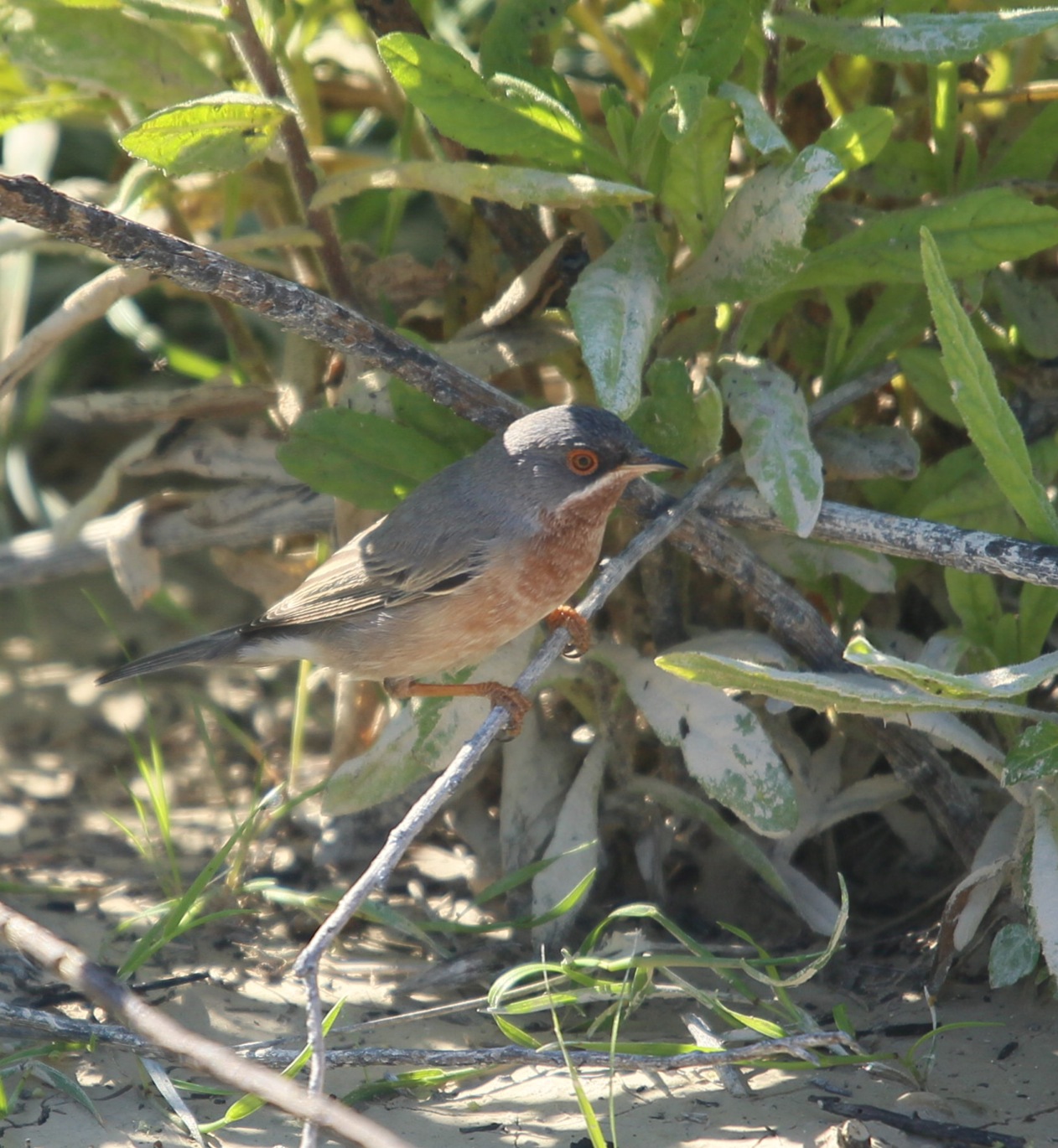
Subalpine Warbler Cape Drepanum March 19th (c) Carl Hughes

Subalpine Warbler Cape Drepanum March 19th (c) Carl Hughes

Cyprus Warbler Akoursos March 19th (c) Carl Hughes

Cyprus Warbler Akoursos March 19th (c) Carl Hughes

 Crested Lark March 19th (c) Carl Hughes

Crested Lark March 19th (c) Carl Hughes

Corn Bunting March 19th (c) Carl Hughes

Corn Bunting March 19th (c) Carl Hughes


7 Comments

Cape Greco and Oroklini today, 17th March 2014

Luckily the dust cleared at Cape Greco early on this morning and although again there was little evidence of the raptor migration I was looking for there was a noticeable movement of gulls offshore as well as a good collection of spring migrants and evidence that the breeding season is now underway.

A Peregrine Falcon was in the area and a female Marsh Harrier was resting on the ground near the Sea Caves in the afternoon. Nearly two hundred Yellow-legged Gull passed round the Cape during a four hour watch in the morning and there were five Lesser Black-backed Gull in with them – three Heuglin’s or Siberian Gull and two Baltic Gull. For five minutes a Common Cuckoo was calling across the area and two Cyprus Wheatear were singing on their territories as were three Cyprus Warbler and several Spectacled Warbler. I saw a male Spectacled Warbler taking food into a bush – presumably feeding young. House Sparrows were mating, flying around with nesting material and also carrying food.

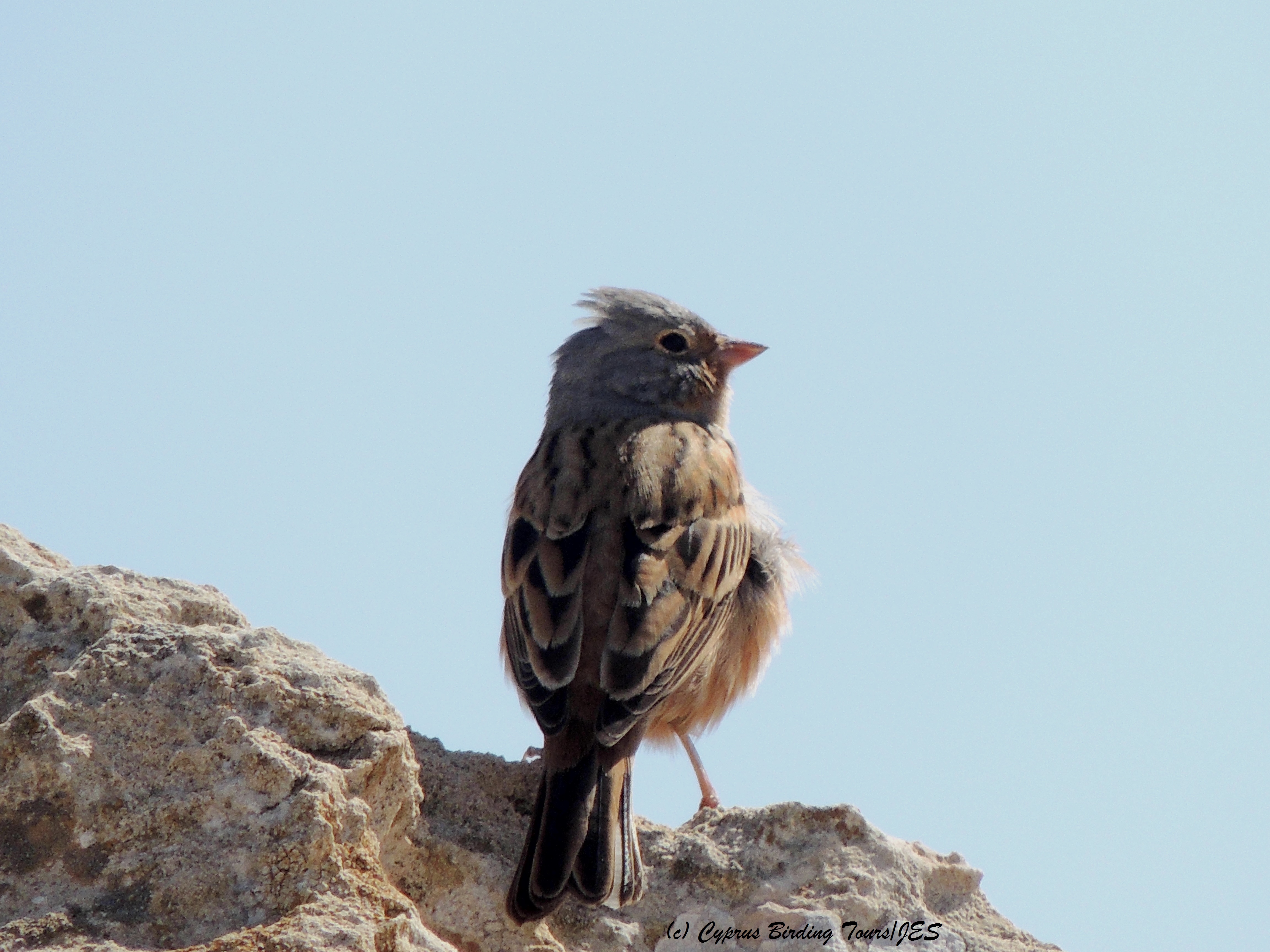
I came across seventeen Northern Wheatear, fourteen Isabelline Wheatear and twelve Eurasian Hoopoe (six were together on a track). Also seen were four Cretzschmar’s Bunting, a Common Whitethroat, six Lesser Whitethroat, a Great Spotted Cuckoo, three male Blue Rock Thrush and a female Finsch’s Wheatear.

At Oroklini on my way home there were two Baltic Gull on the water and twelve Greater Flamingo. Three Black-tailed Godwit are still present and two male Red-crested Pochard were out in the open looking very smart. At least twenty Black-winged Stilt are now in the area and both Sedge Warbler and Reed Warbler were singing around the new observation platform. A surprise was a Glossy Ibis that flew in just as I was about to leave.

Cyprus Warbler Cape Greco 17th March 2014  (c) Cyprus Birding Tours

Cyprus Warbler Cape Greco 17th March 2014 (c) Cyprus Birding Tours

Goldfinch Cape Greco 17th March 2014  (c) Cyprus Birding Tours

Goldfinch Cape Greco 17th March 2014 (c) Cyprus Birding Tours

Great Spotted Cuckoo Cape Greco 17th March 2014  (c) Cyprus Birding Tours

Great Spotted Cuckoo Cape Greco 17th March 2014 (c) Cyprus Birding Tours


3 Comments

Cyprus Birding Tours Trip Report – Two days guiding Paphos and Limassol 15th & 16th March 2014

Harish and Deepa were visiting Cyprus on a birding break and we visited sites in Paphos and Limassol. They were especially keen to get photographs of new species – this being their first birding trip in Europe. To give them a chance to appreciate the new birds they asked not to be taken to wetland sites as they wanted to concentrate on passerines and raptors.

Day one – Saturday 15th March

We visited Cape Drepanum, Paphos Headland, Mandria and Anarita Park. We found several Sylvia warblers including resident Sardinian and migrant Subalpine and Rüppell’s. An unexpected bird at Cape Drepanum was a male singing Cyprus Warbler. We had good views of Isabelline and Northern Wheatear as well as Western Black Redstart, Blue-headed Wagtail, Blackcap, Lesser Whitethroat. We also found a male Finsch’s Wheatear at Anarita Park and a Black Francolin at Mandria.

Day two – Sunday 16th March

We started at Amathus and found at least eight singing male Cyprus Warbler as well as a female Blue Rock Thrush and five Chukar. A Masked Shrike, a Bluethroat, a Crag Martin and two migrating White Stork were the highlights at Germasogeia Dam although disappointingly we didn’t see any raptors there. We found several Western Marsh Harrier at Phassouri including a migrating adult male. A ringtail Hen Harrier and several Common Buzzard were also seen. There were many Northern Wheatear in the area and we found a Sedge Warbler, Black-headed Wagtail and another Bluethroat around the reed beds.

Offshore was a flock of at least 300 Garganey and around 150 Black-headed Gull and migrating Great Cormorant passed over. At least one Great Spotted Cuckoo was in the Gravel Pits area as well as three maybe four Hoopoe.

Two intensive days of birding in enjoyable company with a pleasing number of species considering we didn’t go looking for waterbirds as well.

 Seventy two species

Little Grebe, Great Cormorant, Cattle Egret, Little Egret, White Stork, Garganey, Mallard, Common Teal, Western Marsh Harrier, Hen Harrier, Common Buzzard, Common Kestrel, Chukar, Black Francolin, Common Moorhen, European Coot, Common Snipe, Green Sandpiper, Ruff, Common Black-headed Gull, Yellow-legged Gull, Rock Dove, Common Woodpigeon, Eurasian Collared Dove, Great Spotted Cuckoo, Common Swift, Eurasian Hoopoe, Crested Lark, Woodlark, Eurasian Skylark, Eurasian Crag Martin, Barn Swallow, Common House Martin, Red-rumped Swallow, Meadow Pipit, Water Pipit, Blue-headed Wagtail, Black-headed Wagtail, White Wagtail, European Robin, Bluethroat, Western Black Redstart, Common Stonechat, Isabelline Wheatear, Northern Wheatear, Finsch’s Wheatear, Blue Rock Thrush, Song Thrush, Cetti’s Warbler, Zitting Cisticola, Sedge Warbler, Eurasian Reed Warbler, Subalpine Warbler, Sardinian Warbler, Cyprus Warbler, Rüppell’s Warbler, Lesser Whitethroat, Eurasian Blackcap, Common Chiffchaff, Great Tit, Masked Shrike, Eurasian Magpie, Western Jackdaw, Hooded Crow, House Sparrow, Spanish Sparrow, Common Chaffinch, European Serin, European Greenfinch, European Goldfinch, Common Linnet, Corn Bunting


2 Comments

Cyprus Birding Tours Trip Report – Day’s Guiding Kouklia and Limassol 14th March 2014

Out with Harry and Jacky again who were over here for their annual spring visit. As usual they wanted to visit new locations and were especially keen to see birds of prey.  We went to Kouklia Soakaways where we found Long-legged and Common Buzzard and a Eurasian Sparrowhawk. On to Germasogeia Dam where the highlights were a ring tail Hen Harrier, a singing male Cyprus Warbler and on the water a drake Northern Pintail together with two male and a female Garganey.

Around the Akrotiri Peninsula we visited Phassouri Reed Beds and the Gravel Pits. We saw the juvenile Bonelli’s Eagle that has been in the area most of the winter, several Western Marsh Harrier, another Hen Harrier and a couple of Common Buzzard. We also had Water Pipit, Black-headed Wagtail, Ruff, Eurasian Curlew, Great Spotted Cuckoo, Blue Rock Thrush and best of all were treated to a singing Subalpine Warbler at the church.

We ended an enjoyable day at Kensington Cliffs where we watched several Alpine Swift and heard another Cyprus Warbler.

Sixty one species –

Little Grebe, Great Cormorant, Cattle Egret, Little Egret, Grey Heron, Eurasian Teal, Mallard, Northern Pintail, Garganey, Western Marsh Harrier, Hen Harrier, Eurasian Sparrowhawk, Common Buzzard, Long-legged Buzzard, Bonelli’s Eagle, Common Kestrel, Chukar, Common Moorhen, Eurasian Coot, Ruff, Eurasian Curlew, Green Sandpiper, Common Woodpigeon, Eurasian Collared, Rock Dove, Great Spotted Cuckoo, Common Swift, Alpine Swift, Crested Lark, Eurasian Skylark, Barn Swallow, Common House Martin, Meadow Pipit, Water Pipit, Black-headed Wagtail, White Wagtail, European Robin, Western Black Redstart, Common Stonechat, Isabelline Wheatear, Blue Rock Thrush, Song Thrush, Cetti’s Warbler, Zitting Cisticola, Sedge Warbler, Eurasian Reed Warbler, Subalpine Warbler, Sardinian Warbler, Cyprus Warbler, Common Chiffchaff, Great Tit, Eurasian Magpie, Western Jackdaw, Hooded Crow, House Sparrow, Spanish Sparrow, Common Chaffinch, European Serin, European Goldfinch, European Greenfinch, Common Linnet


Leave a comment

Waterbird count around Larnaca 13th March 2014

Another rainy day although I managed to get the waterbird count done without getting wet. The numbers of Northern Shoveler, Teal, Mallard, Little Grebe and Coot were much lower with just over three hundred Shoveler and less than a hundred each of the others. There were no gulls on the Sewage Pools but there was a male Garganey, a male Northern Pintail, two Ferruginous Duck and a single Black-necked Grebe in breeding plumage. Eight Spur-winged Lapwing were around the edge and two were mating. The best birds at the Sewage Works though were not on the water – a male Subalpine Warbler and a Common Whitethroat were in the bushes in front of the hide together with some singing male Spectacled Warbler and several Red-throated Pipit flying around.

After a tip off from another birder I checked the Desalination fields for four Whimbrel he had seen there. I located them along the coast near the airport perimeter fence but they flew off eastwards as a patrol car drove close to them. A female Northern Wheatear was looking very bedraggled and several Kentish Plover were on the beach.

A surprise awaited me on the main Salt Lake – there were just under a thousand Greater Flamingo present – in February I had found just 69. There are still around 200 Common Shelduck present and over seven hundred Common Black-headed Gull were on the water. Also on the water were over 250 Slender-billed Gull – nearly all adults with a pinkish tinge and looking very smart. On the east side of the lake there was a Heuglin’s Gull as well as tens of Dunlin, Kentish Plover and Little Stint feeding on the mud. In the reeds I saw at least four Reed Bunting and the same number of Reed Warbler. As the clouds got lower and darker many Common Swift, Barn Swallow and House Martin flew into the area together with at least ten Red-rumped Swallow.

After the rain cleared I went to Kiti Dam which also had a good number of Swifts and Swallows as well as two Green Sandpiper. But again it was a warbler that was the best bird. There was an Eastern Bonelli’s Warbler calling from the trees and it took me some time to finally see it. One of my favourite birds!

Greater Flamingo Larnaca Salt Lake March 13th 2014  (c) Cyprus Birding Tours

Greater Flamingo Larnaca Salt Lake March 13th 2014 (c) Cyprus Birding Tours


10 Comments

Cyprus Birding Tours Trip Report – Morning’s guiding around Akrotiri 11th March 2014

Spent this morning around Akrotiri with Lesley who was on holiday in Cyprus. We managed to avoid the heaviest of the showers by being in the car at the time and still saw a varied collection of birds in a few hours.

Our first stop was Phassouri Reed Beds where at least two Western Marsh Harrier and a Common Buzzard were quartering the reeds. Many Common Swift and Barn Swallow were flying over the area with a few House Martin and Sand Martin in with them. A couple of Ruff flew into the area and there were Meadow and Water Pipit feeding in the wet grass together with a single Black-headed Wagtail. Several Cattle Egret and a Little Egret were present and we heard Little Grebe and Common Coot from deep in the reeds. A couple of Mallard and a Northern Shoveler flew over. After seeing some movement in the reeds we finally located a Moustached Warbler although just for brief views.

Crossing Akrotiri Gravel Pits we spotted a male Blue Rock Thrush perched on a low tree and when we got out of the car to get better views two Great Spotted Cuckoo flew off. We managed to relocate one of them only for it to fly away again. A Eurasian Hoopoe was also present as were a couple of Isabelline Wheatear. A male Sardinian Warbler flew to the top of a bush and later near the Church we were able to compare him with a male Cyprus Warbler we found there. In that area after a shower there were also many Meadow Pipit together with many Serin and Goldfinch and a female Black Redstart.  Seven Grey Heron were migrating over the area.

At Lady’s Mile the wind got up and the sky dark again but we managed to see good numbers of Kentish Plover there as well as some Dunlin and Little Stint which were still mainly in winter plumage. There were no gulls around although we also saw a Common Ringed Plover. A quick scan of Zakaki produced another Little Egret and a Water Pipit.

To finish the morning we checked the Limassol Port channel and had much better views of a Moustached Warbler there creeping low down in the reeds. We also added a Grey Wagtail to our list.

Species seen (55) –

Little Grebe, Cattle Egret, Little Egret, Grey Heron, Mallard, Northern Shoveler, Western Marsh Harrier, Common Buzzard, Common Kestrel, Eurasian Coot, Common Ringed Plover, Kentish Plover, Little Stint, Dunlin, Ruff, Rock Dove, Common Woodpigeon, Great Spotted Cuckoo, Common Swift, Eurasian Hoopoe, Greater Short-toed Lark, Crested Lark, Eurasian Skylark, Barn Swallow, Common House Martin, Sand Martin, Meadow Pipit, Water Pipit, Black-headed Wagtail, Grey Wagtail, White Wagtail, European Robin, Western Black Redstart, Common Stonechat, Isabelline Wheatear, Blue Rock Thrush, Song Thrush, Cetti’s Warbler, Zitting Cisticola, Moustached Warbler, Eurasian Reed Warbler, Lesser Whitethroat, Sardinian Warbler, Cyprus Warbler, Eurasian Blackcap, Common Chiffchaff, Great Tit, Hooded Crow, House Sparrow, Spanish Sparrow, Common Chaffinch, European Serin, European Greenfinch, European Goldfinch, Common Linnet


Leave a comment

More early migrants at Cape Greco this morning 10th March 2014

At Cape Greco again for the raptor count.  A familiar spring sound as I parked my car was a singing male Cyprus Wheatear. As the morning went on the wind became stronger and again there were no large raptors around. The resident Common Kestrel chased off a Peregrine Falcon and a flock of 70 Common Shelduck flew from the east and headed north east around the cape. There was a Lesser Whitethroat in the bushes around the view point and two Red-rumped Swallow flew in off the sea.

A drive around the area later produced two Woodchat Shrike, a male Masked Shrike, three Northern Wheatear, at least six Isabelline Wheatear , a European Robin, two male Blue Rock Thrush and four Tawny Pipit.

A quick stop at Oroklini, where another Peregrine Falcon was seen.  This time he was doing the chasing, although the Barn Swallows quickly got out of his way. On the water there were two male and a female Red-crested Pochard, a male Northern Pintail and plenty of Northern Shoveler, Black-headed Gull, several Common Teal and lots of Common Coot. Eleven Greataer Flamingo and the same number of Black-winged Stilt were there, as was a single Water Pipit and the Black-tailed Godwit that has been present since last week.


Leave a comment

Desert Wheatears, Paphos area 7th March 2014

Found two male Desert Wheatears in the Paphos area yesterday. One was at Mandria and had been present for a few days. The other was at Paphos Headland.

Desert Wheatear Paphos Headland 7th March 2014 (c) Cyprus Birding Tours

Desert Wheatear Paphos Headland 7th March 2014 (c) Cyprus Birding Tours

Desert Wheatear Mandria, 7th March 2014 (c) Cyprus Birding Tours

Desert Wheatear Mandria, 7th March 2014 (c) Cyprus Birding Tours


1 Comment

Some early spring migrants seen over the last two days, 4th & 5th March 2014

Was really pleased to find a male Desert Wheatear at Petounta yesterday afternoon. Others had been seen at Paphos Headland and Akrotiri Gravel Pits over the last few days. There was also a single Greater Short-toed Lark there as well as two Isabelline Wheatear, four Little Ringed Plover, two Water Pipit, a Hoopoe and a male Black-headed Wagtail.  Earlier, near the Desalination Plant at Larnaca there were four Hoopoe feeding together and on Spiros Pool there were two Greater Sand Plover and more than twenty Ruff. Three Sandwich Tern were fishing offshore and a Calandra Lark was in display flight.

Today I was at Cape Greco for my first raptor survey of the spring. No migrating raptors to count but the local Common Kestrel pair were very active and the House Sparrows around the shelter on the top of the view point were happily mating and ignoring me. If it hadn’t been for some migrating Black-headed Gulls and Great Cormorant I could have thought it was a waste of a morning.

Luckily I decided to drive around the area when I finished and was then really pleased to see a male Ruppell’s Warbler and locate a calling Cretzschmar’s Bunting that looked as if it had just come in off the sea. There was a dark-throated female Finsch’s Wheatear nearby and three Greater Short-toed Lark. Plenty of Isabelline Wheatear as well and a single male Northern Wheatear.  Another warbler disappearing into a bush could have been a Subalpine Warbler but I didn’t get a good enough view to be certain. I later heard that one had been seen at Mandria today.

On Oroklini Beach on the way home there were two Mediterreanean Gull, three Sandwich Tern and an adult Armenian Gull in with the Black-headed Gull. No Little Gull on the Marsh but there was a Black-tailed Godwit, a Common Redshank, some Spur-winged Lapwing and three Black-winged Stilt.

Cretzschmar's Bunting Cape Greco 5th March 2014 (c) Cyprus Birding Tours

Cretzschmar’s Bunting Cape Greco 5th March 2014 (c) Cyprus Birding Tours

Desert Wheatear Petounta 4th March 2014 (c) Cyprus Birding Tours

Desert Wheatear Petounta 4th March 2014 (c) Cyprus Birding Tours


Leave a comment

Petounta Point this morning 3rd March 2014

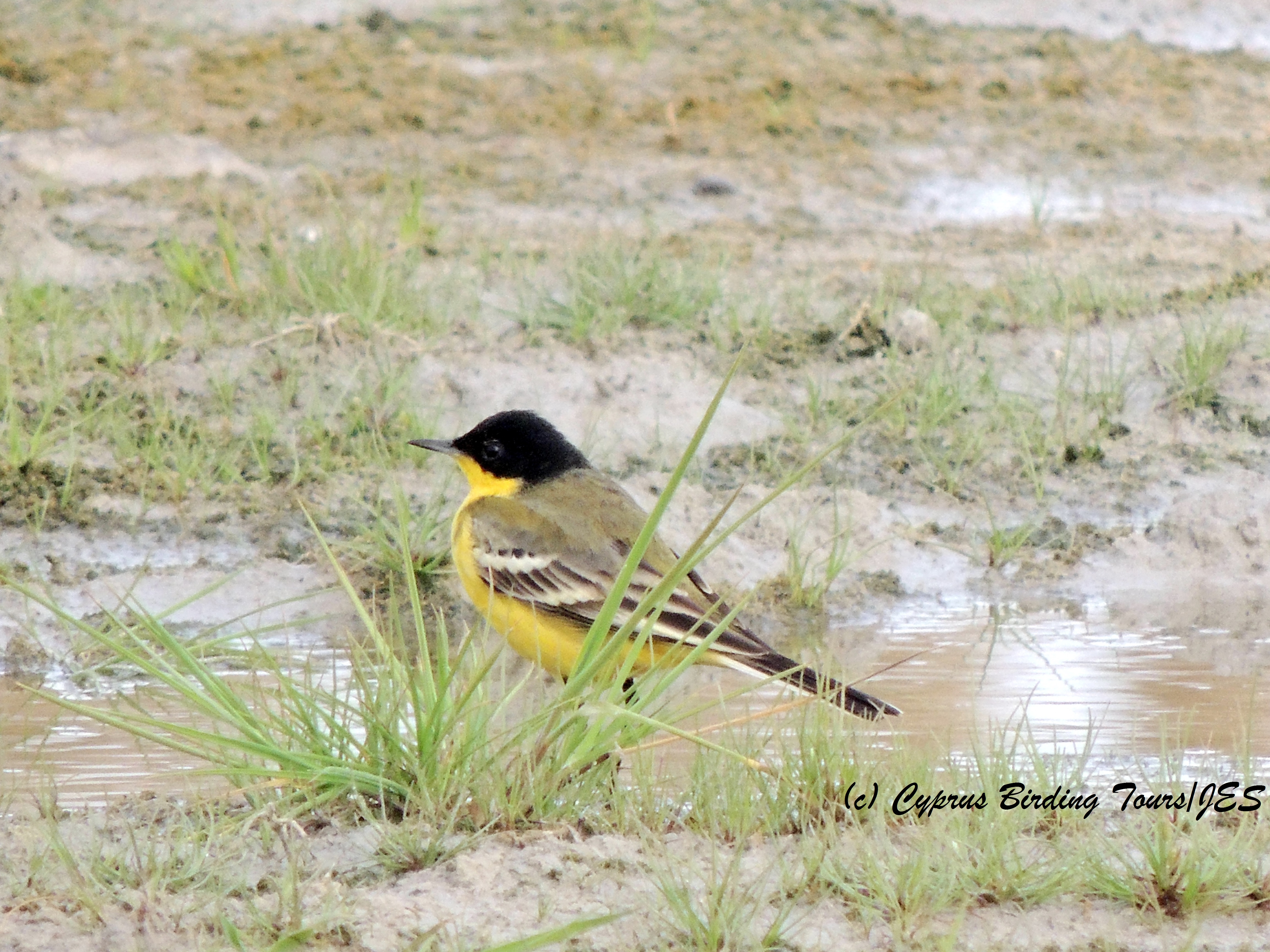
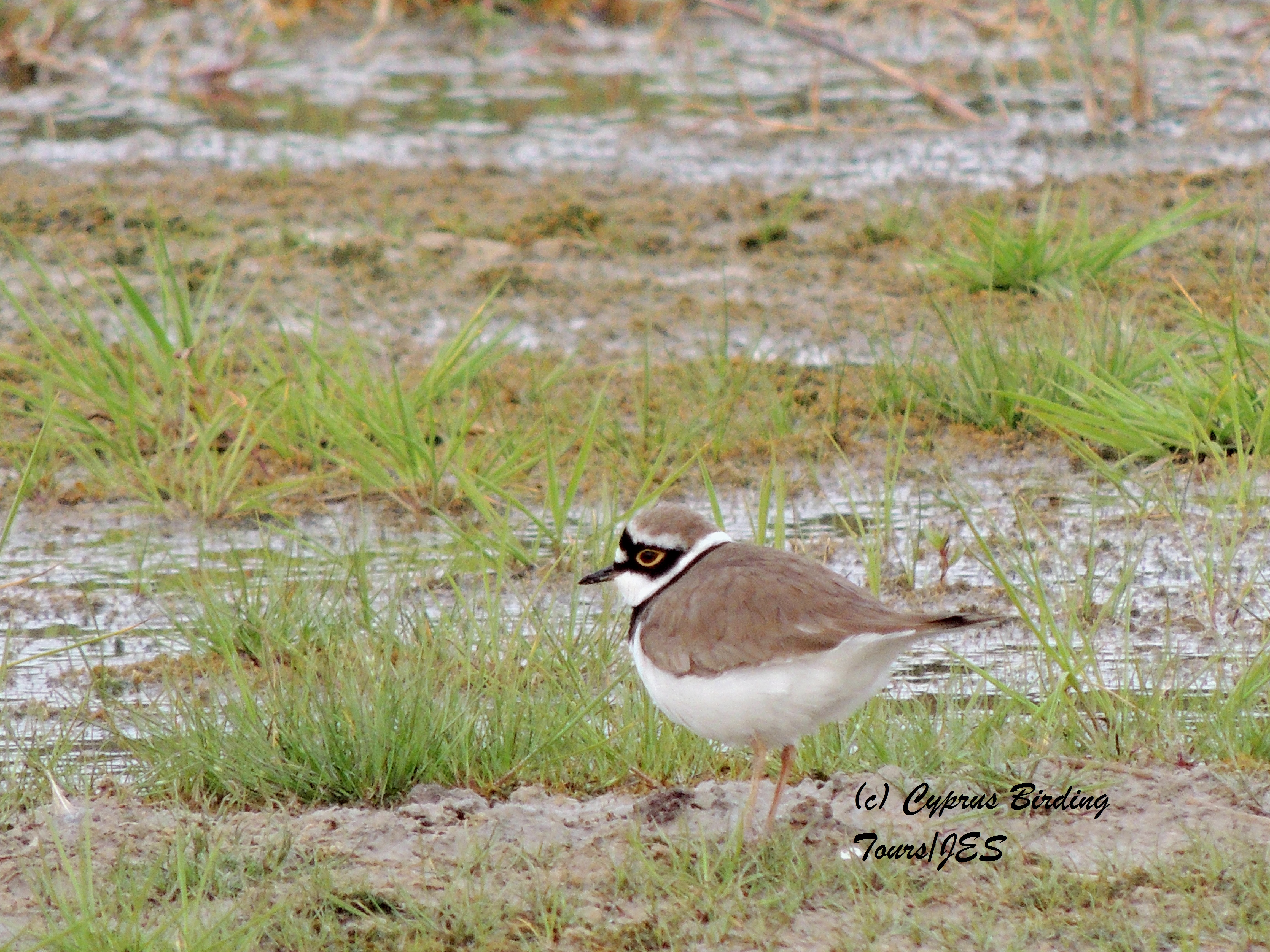
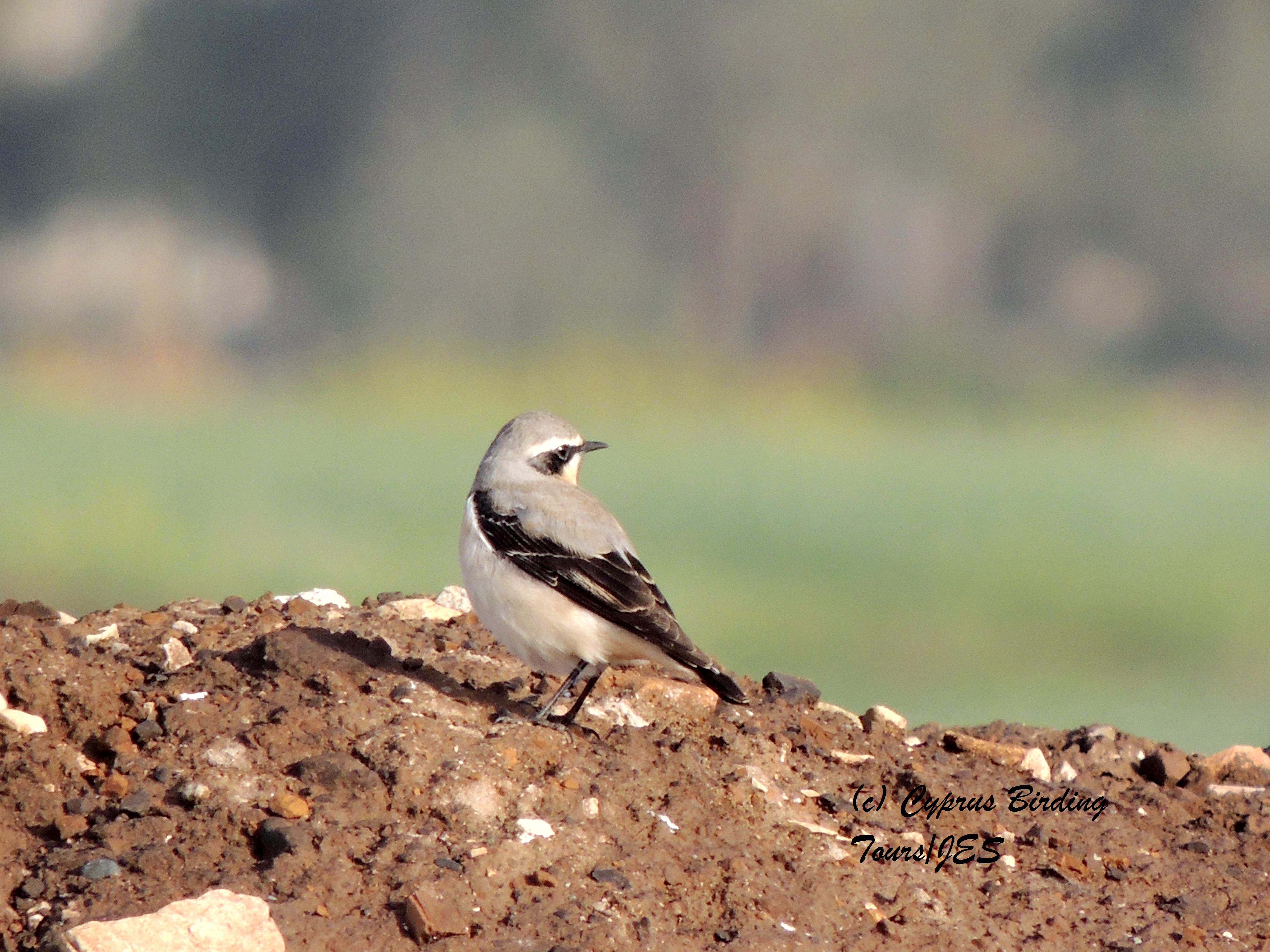
A quick visit to Petounta Point this morning before the Bank Holiday picnickers descended on the area. Migrants seen were two Hoopoe, a male Northern Wheatear, an Isabelline Wheatear, four Green Sandpiper, two Little Ringed Plover, two male Black-headed Wagtail and a male Blue-headed Wagtail. There is still a Reed Bunting in the area as well as plenty of Meadow Pipit, at least four Common Snipe, a Water Rail, up to three calling Black Francolin, overwintering Chaffinch and two Eurasian Skylark. A small group of migrating gulls offshore turned out to be Common Black-headed Gull.

Black-headed Wagtail Petounta 3rd March 2014  (c) Cyprus Birding Tours

Black-headed Wagtail Petounta 3rd March 2014 (c) Cyprus Birding Tours

Little Ringed Plover Petounta 3rd March 2014  (c) Cyprus Birding Tours

Little Ringed Plover Petounta 3rd March 2014 (c) Cyprus Birding Tours

Northern Wheatear Petounta 3rd March 2014  (c) Cyprus Birding Tours

Northern Wheatear Petounta 3rd March 2014 (c) Cyprus Birding Tours


1 Comment

Early morning around Larnaca Sewage Works area, 2nd March 2014

Some evidence of migration this morning around the coastal area south of Larnaca airport. There were two Black-winged Stilt on Meneou Pool together with three juvenile Greater Flamingo and two Isabelline Wheatear in the scrub. In front of the Sewage Works hide there was a small flock of around twenty Red-throated Pipit – some of them in breeding plumage and sporting red throats. On Spiros Pool there was a flock of over forty Ruff feeding with around twenty Golden Plover. There were also a few Kentish Plover, Dunlin and Little Stint.

A small group of eleven Great Cormorant flew east along the coast at Spiros Beach but a much larger one of over 100 flew over the fields south of Pervolia village while I was looking for the Steppe Grey Shrike. It had last been seen on Wednesday in one of the many fields of artichokes there. I had no luck finding it today but did find a ploughed field which had many Eurasian Skylark, at least one Calandra Lark, three Isabelline Wheatear, a male Northern Wheatear and a male dark throated Eastern Black-eared Wheatear.

Black Francolin Larnaca Sewage Works 2nd March 2014 (c) Cyprus Birding Tours

Black Francolin Larnaca Sewage Works 2nd March 2014 (c) Cyprus Birding Tours

Ruff and Golden Plover Spiros Pool 2nd March 2014. (c) Cyprus Birding Tours

Ruff and Golden Plover Spiros Pool 2nd March 2014. (c) Cyprus Birding Tours


Leave a comment

Isabelline Wheatear, Petounta Point, Larnaca 1st March 2014

Isabelline Wheatear  Petounta Point 1st March 2014 (c) Cyprus Birding Tours

Isabelline Wheatear Petounta Point 1st March 2014 (c) Cyprus Birding Tours

The Isabelline Wheatear is very common on passage through Cyprus during both the spring and autumn. It is usually the first wheatear to be seen and among the first migrants of the year. Also seen on migration are the Northern Wheatear, Eastern Black-eared Wheatear and Desert Wheatear. The Cyprus Wheatear is an endemic migrant breeder. Finsch’s Wheatear are localised winter visitors between October and March with a few occuring on passage. Hooded, Mourning, Kurdish, Pied and White-crowned have occured as vagrants.